
Warnscale: A Walking Performance Reflecting on In/Fertility and Childlessness
_1000_500_s_c1_c_c.JPG)
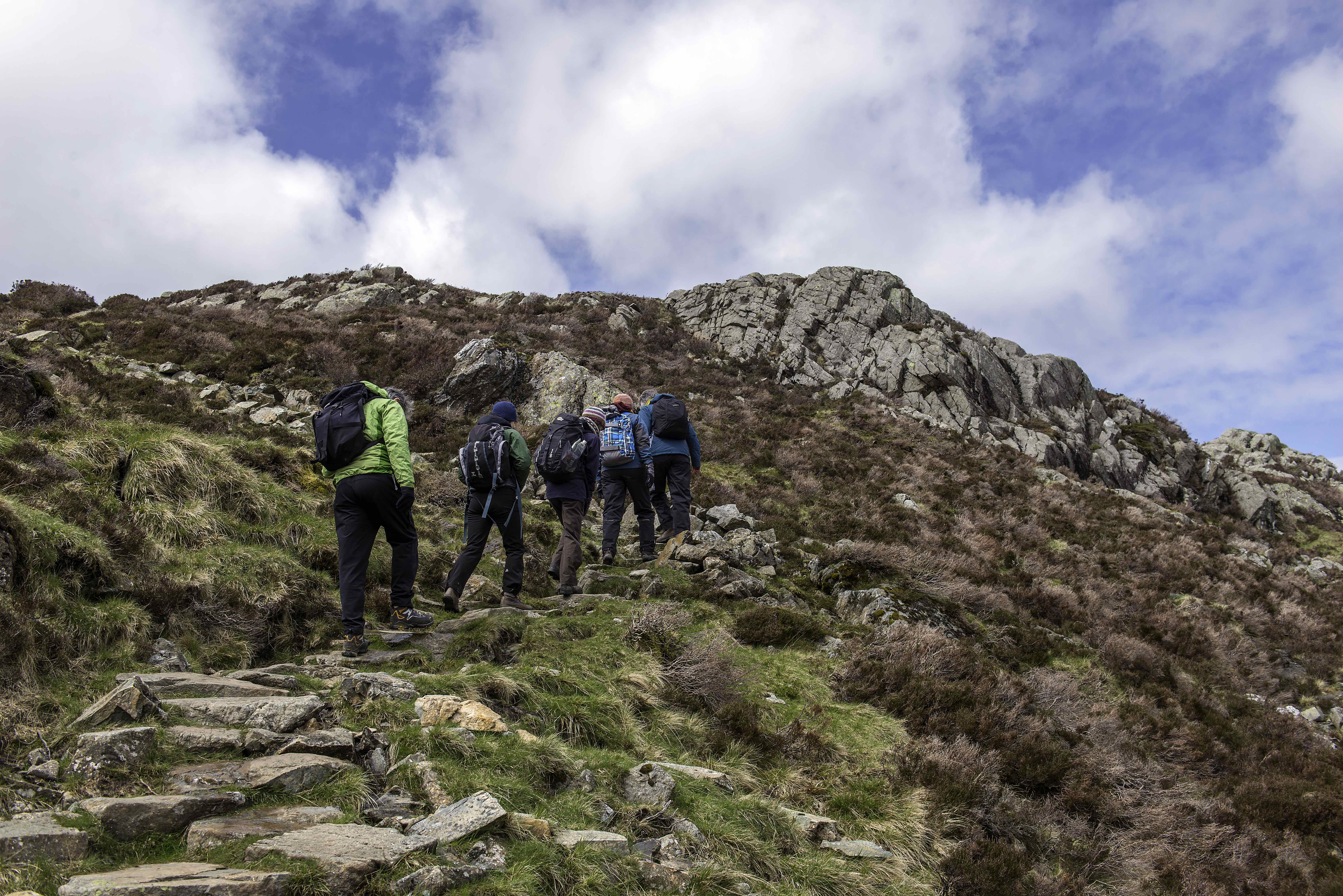
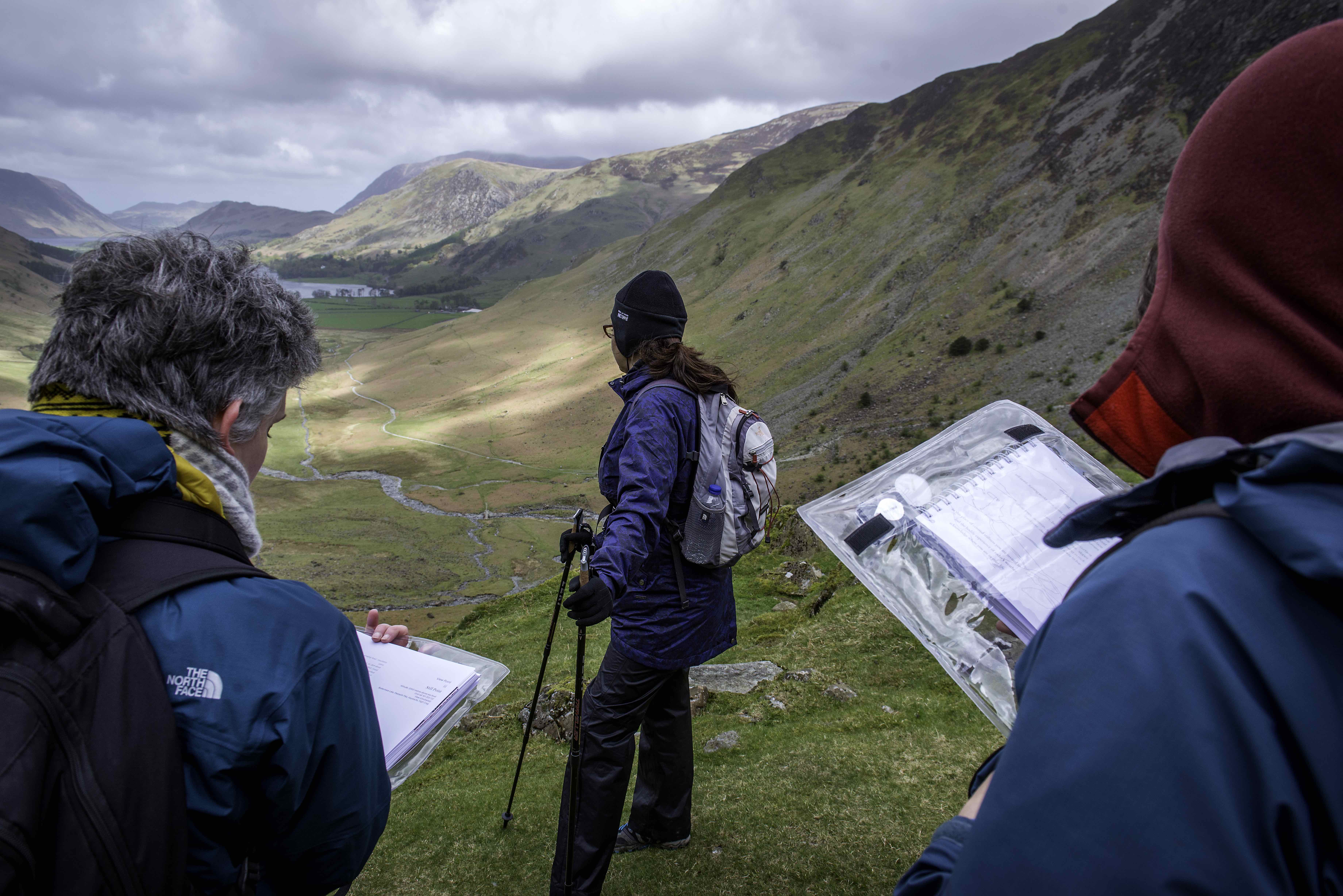
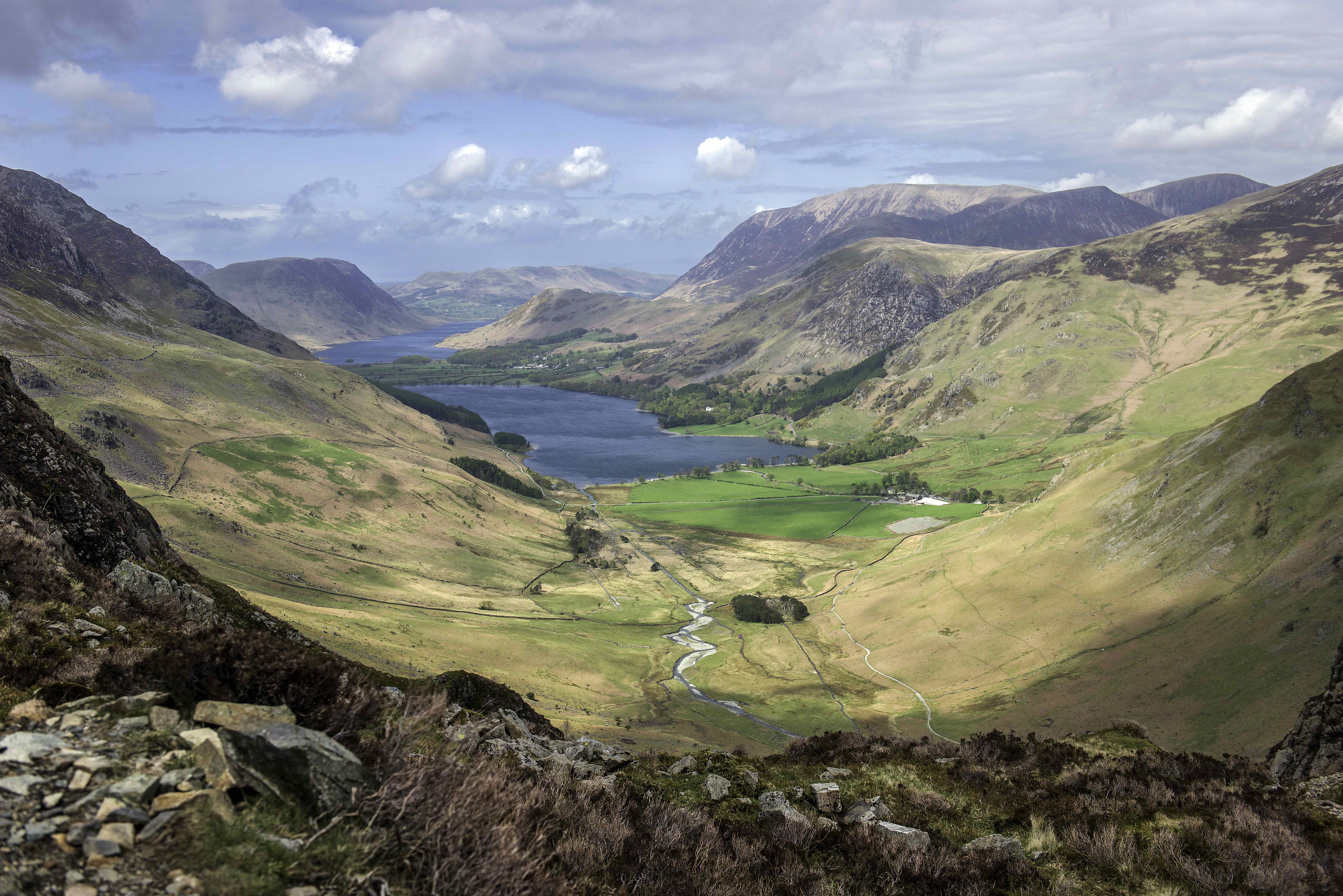
Warnscale: A Landmark Walk Reflecting on In/Fertility and Childlessness is a self-guided walking performance created in the Warnscale Fells, south of Buttermere in the Lake District. Developed primarily for women who are childless by circumstance, the work explores how walking, landscape and creative ritual might offer ways of acknowledging and reflecting upon the absence of biological motherhood.
Society offers few rituals or rites of passage through which women who have not become biological mothers can have that experience recognised. Warnscale responds to this absence by inviting participants into a landscape of physical and metaphorical significance, where walking can open a space for reflection, conversation and transformation.
The project grew from Louise Ann Wilson's earlier work The Gathering, during which she encountered the Cumbrian term "empty" for a ewe that has not become pregnant before being turned up to the mountain. Such ewes are also known as "gelds". This language prompted her to consider how walking and landscape might generate new metaphors for childlessness and help make possible futures that remain rich in meaning.
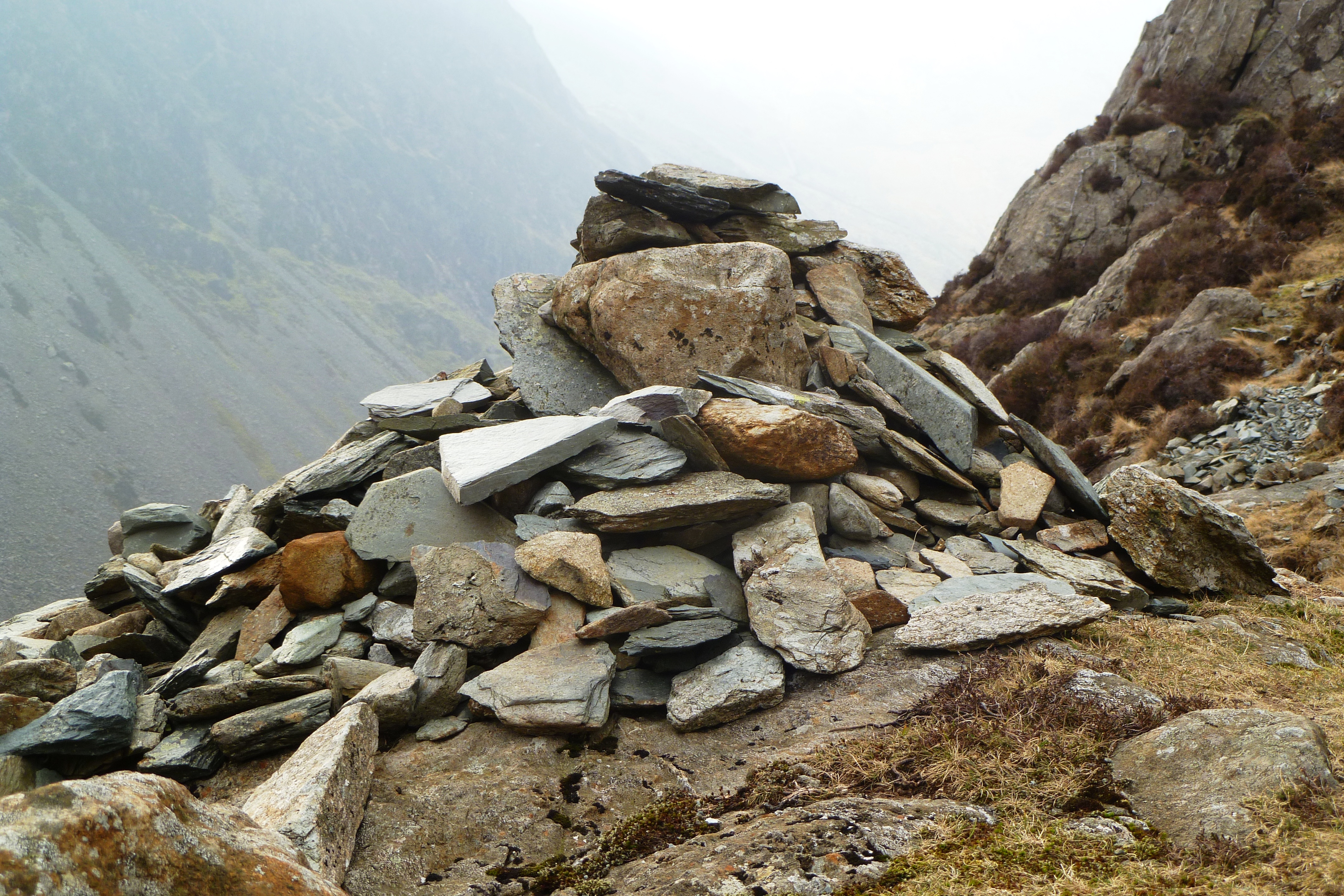
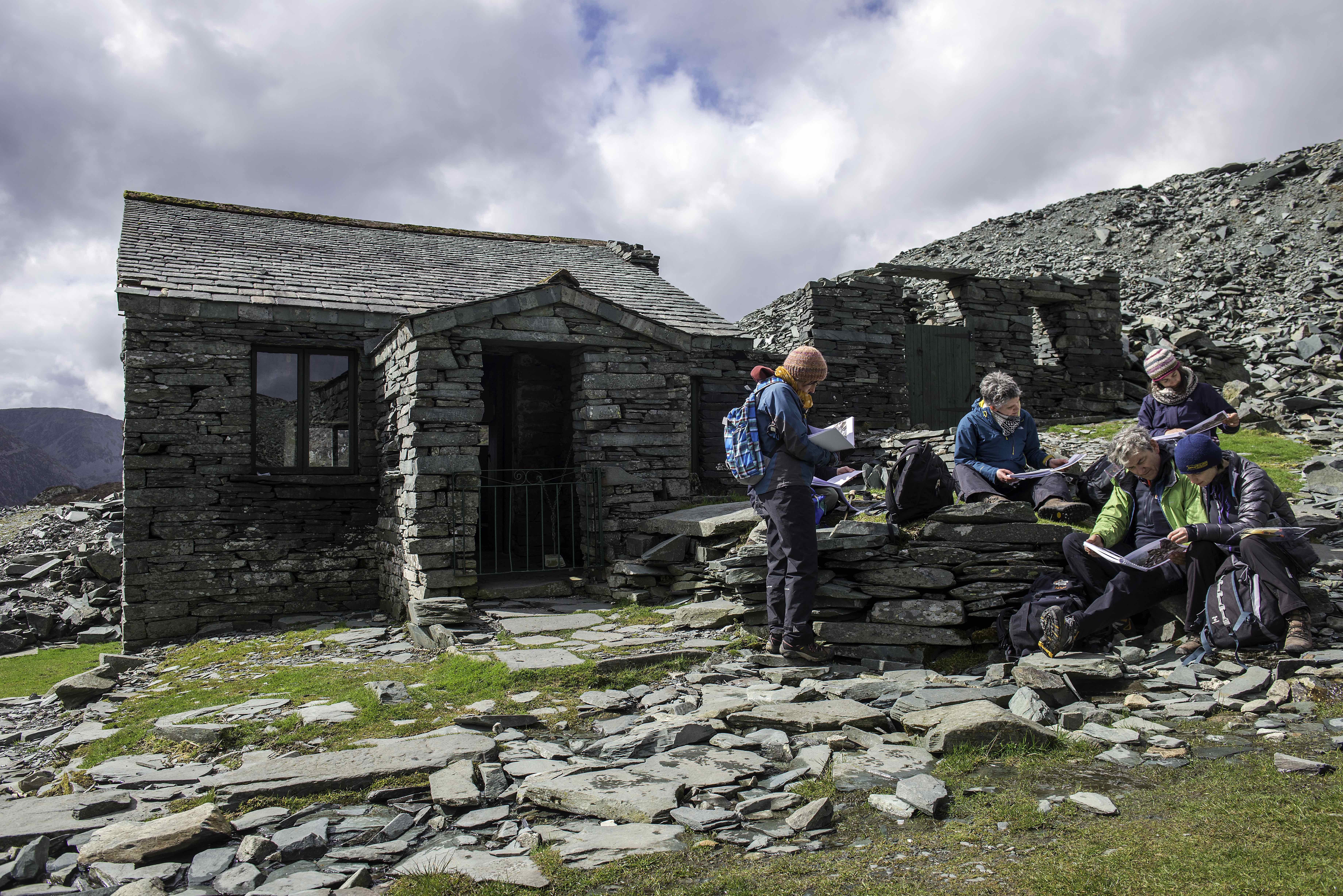
Searching for an "empty room on a mountain", Louise discovered Warnscale Head Bothy: a remote stone shelter traditionally associated with refuge, transition and contemplation. The bothy became a central landmark within the work and a point around which its wider landscape, emotional and symbolic journeys were developed.
The performance emerged through mapping-walks with women who were childless by circumstance, research within fertility clinics, conversations with people who held local and specialist knowledge, close study of the Warnscale landscape and engagement with the journals of Dorothy Wordsworth. Her attentive accounts of walking, weather, sound and visual experience became an important guide to ways of dwelling in and perceiving the landscape.
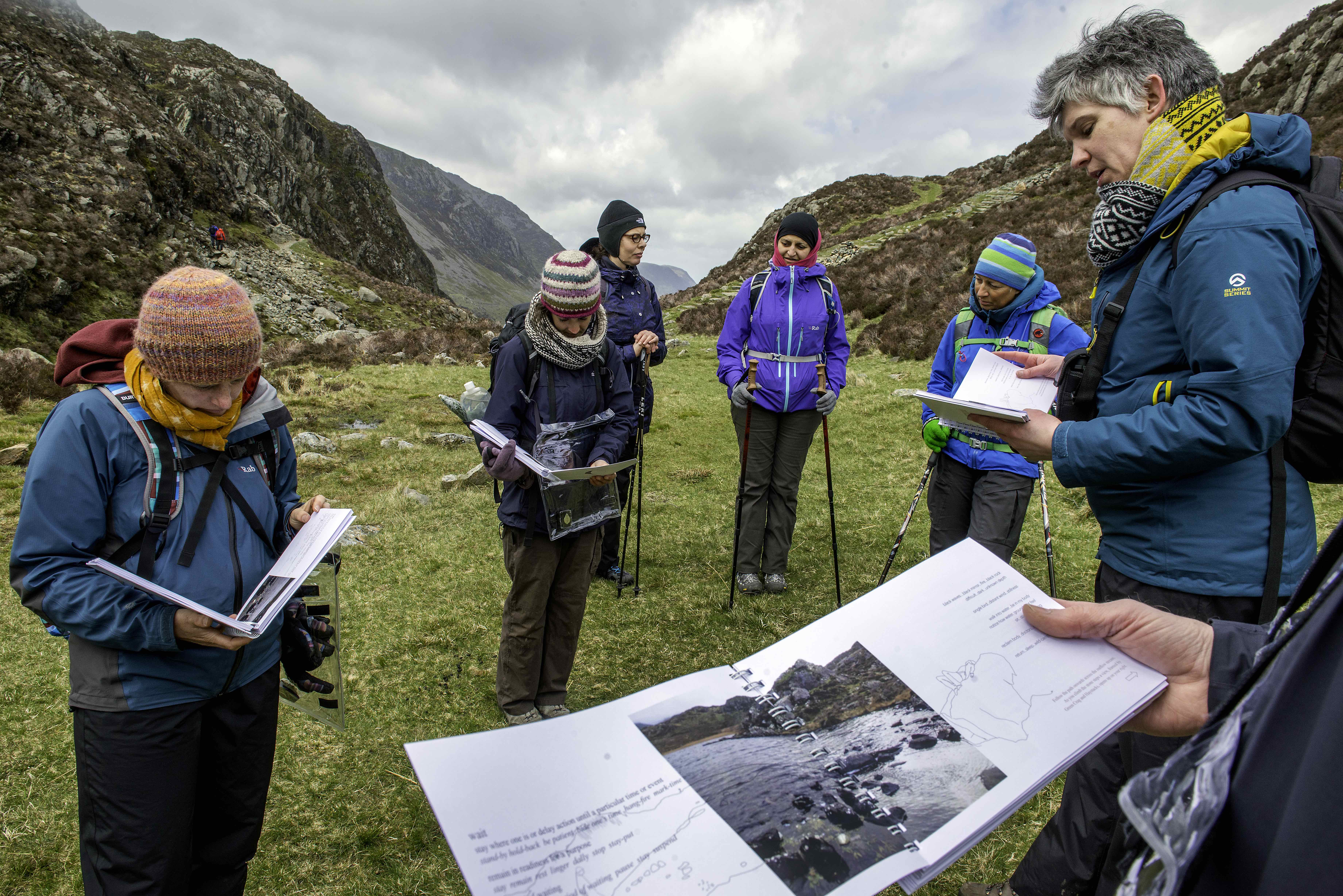
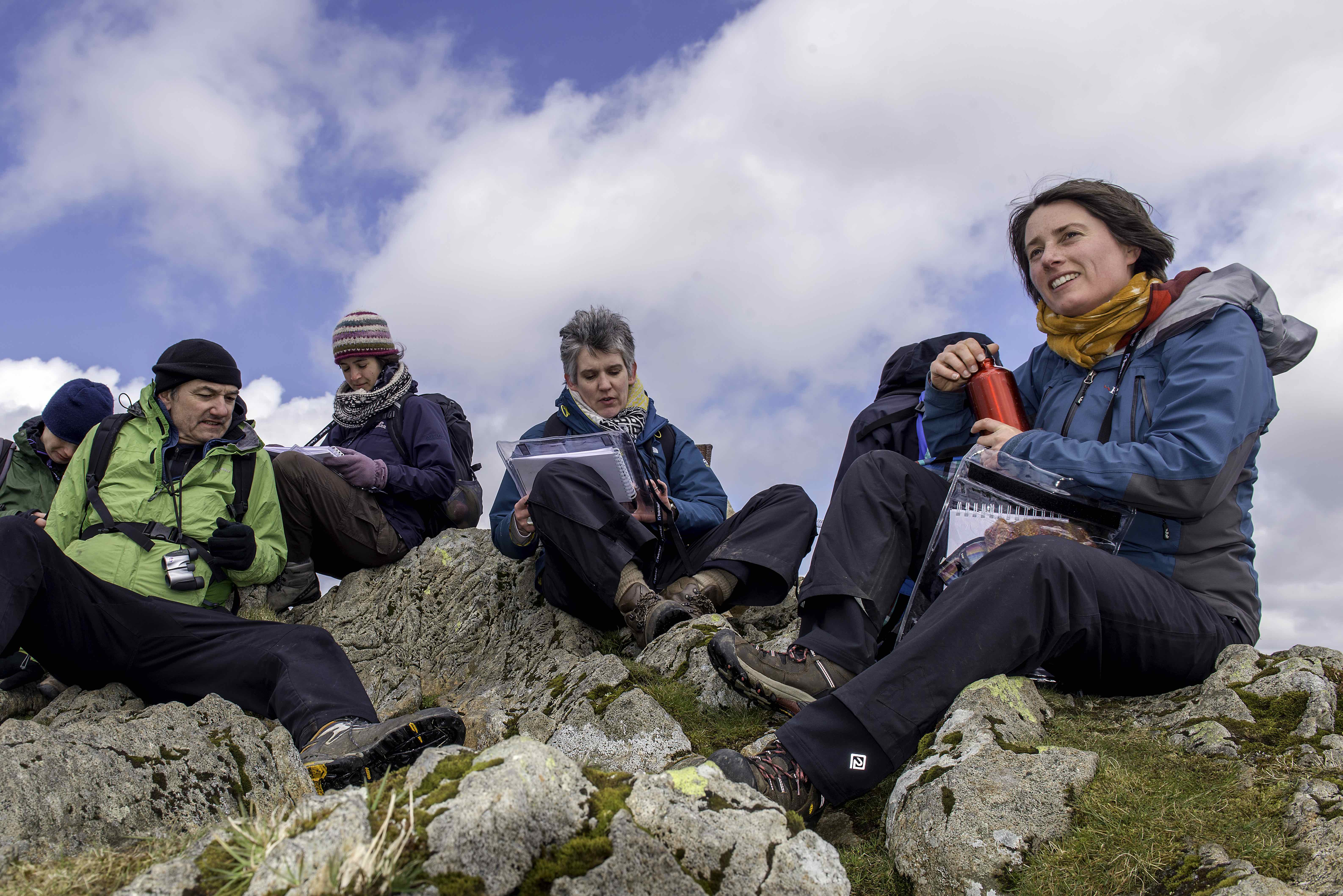
Experienced alone, with a partner or friend, or as part of a group, Warnscale offers a structure without prescribing a particular emotional journey. Participants are invited to walk, pause, observe, listen, reflect and make connections between the surrounding landscape and their own experience. The work seeks to create space in which difficult feelings can be acknowledged and where new ways of seeing might lead to new ways of feeling.
How do you come to terms with the acutely felt loss of something that has never been?...the lost hope of a child...an unconceived child where instead of a person an empty space presents itself.
— Naomi Cumming, Grief Unconceived.
Although developed in response to involuntary childlessness, the work also speaks to broader experiences of absence, loss, transition, identity and unrealised futures.
"It doesn't make the sadness go away, but it's good to have marked the fact of my childlessness by doing something like this. There is a lack of public ritual to mark childlessness, and this walk was a very practical, doable thing which helped to address that."
— Mapping-walk participant
The Artist's Book
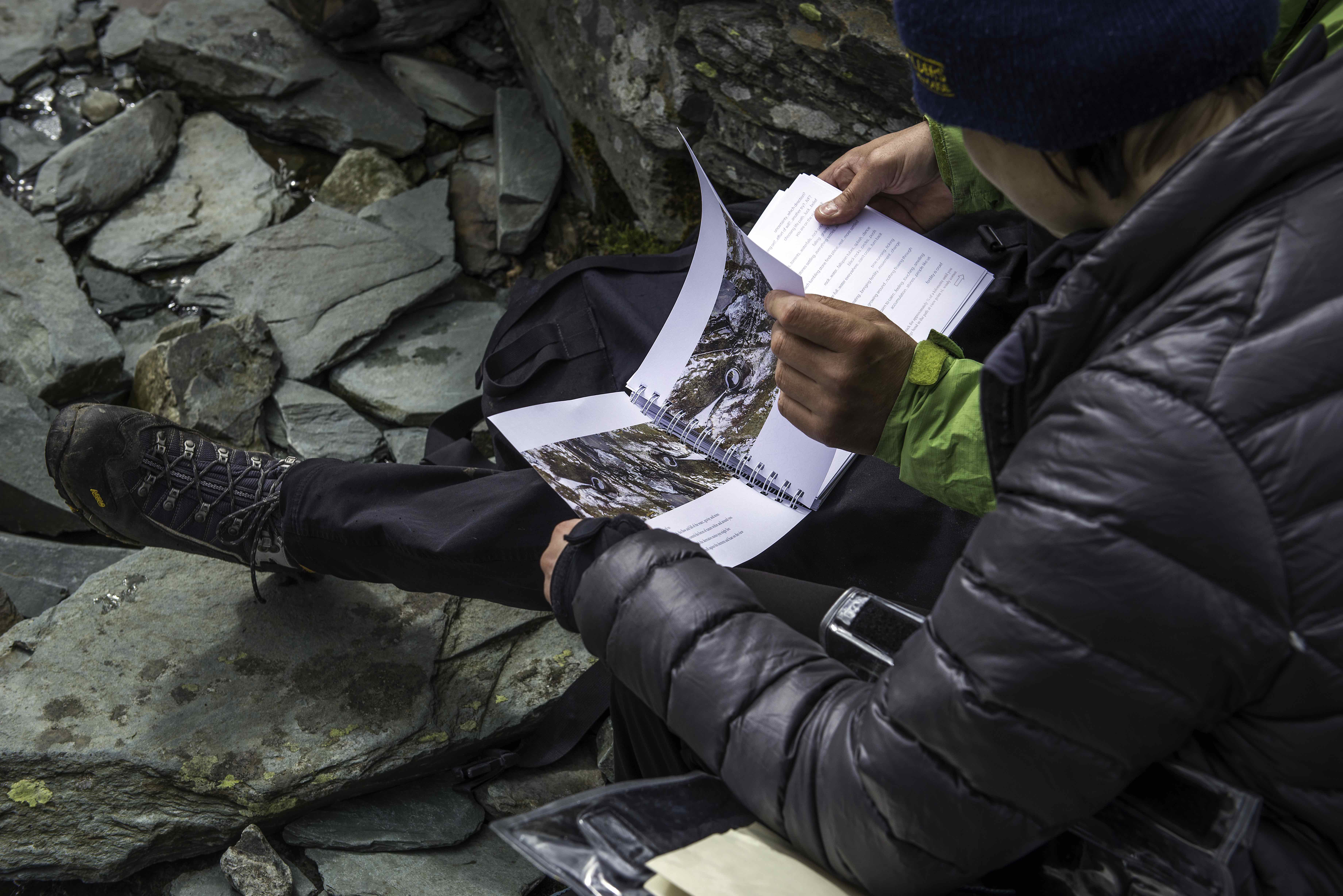
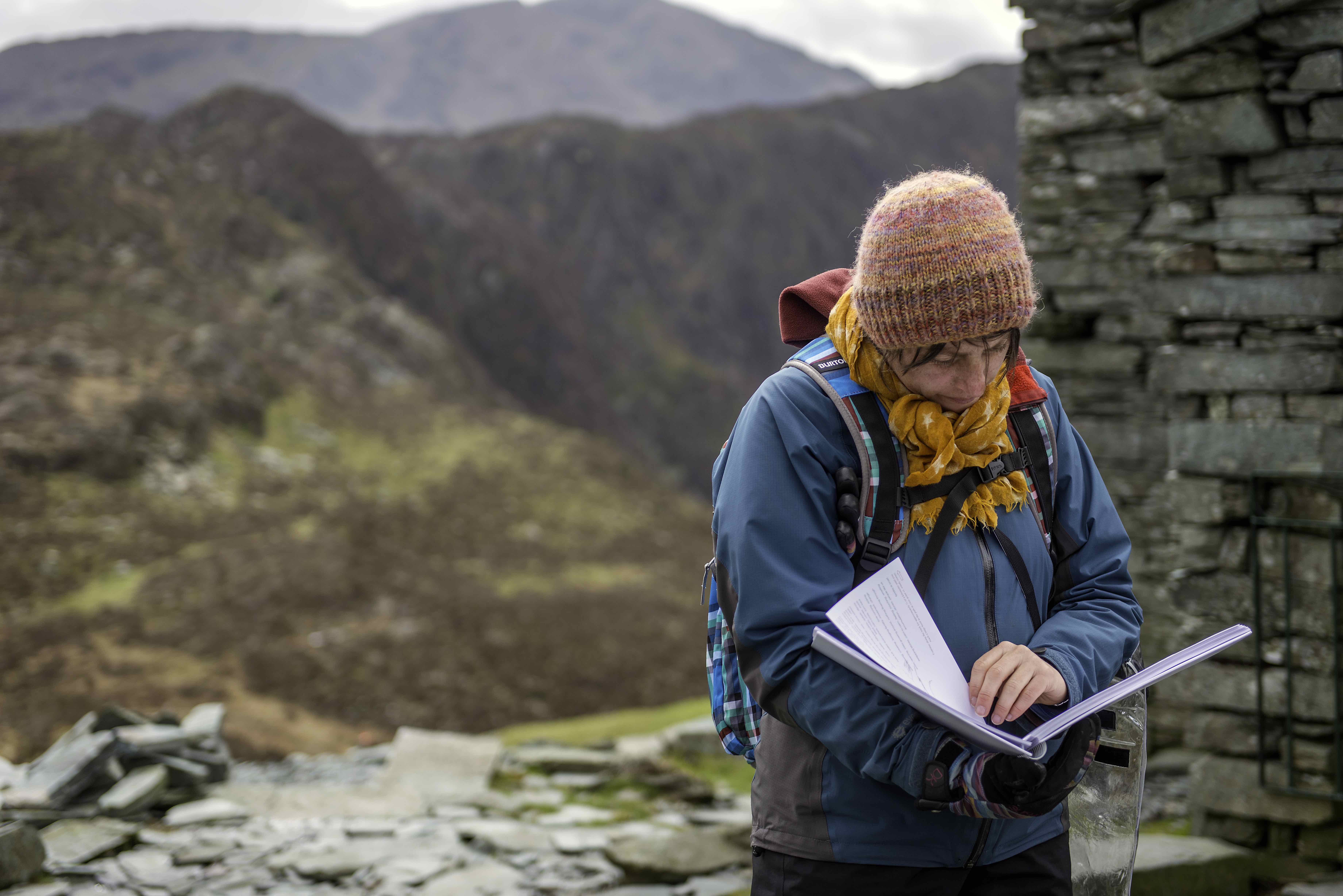
The walking performance is accompanied by the artist's book Warnscale: A Land Mark Walk Reflecting on In/Fertility and Childlessness (2015). Developed as both an artwork and a walking guide, the publication enables people to undertake the journey independently and extends the work beyond the original performance.
Read more about the publication, reader responses and availability in the Research: Books section of this website.
Acknowledgements
Warnscale was developed through the generous participation of the women who contributed to the mapping-walks and through the support and knowledge of many individuals and organisations working across fertility research, landscape, geology, literature, local history and walking.
The project and publication were made possible through public funding from Arts Council England, grants from the Arts and Humanities Research Council and Seedbed Trust, and support from Lancaster Institute for the Contemporary Arts, Lancaster University.
Continuing Life
Following the live performance, Warnscale continued through the artist's book Warnscale: A Land Mark Walk Reflecting on In/Fertility and Childlessness (2015), exhibitions, publications and presentations.
The work was exhibited at Wordsworth Grasmere (2015), where photographs, drawings and artefacts from the project were shown, and later at Mobile Utopias: Pasts, Presents, Futures, Lancaster University (2017).
The project also became a key case study in Louise Ann Wilson's later research and publications on walking-performance, landscape and socially engaged scenography.
Further Reading
-
Louise Ann Wilson. Warnscale: A Land Mark Walk Reflecting on In/Fertility and Childlessness. Artist's book, 2015.
-
Louise Ann Wilson. "Warnscale: A Landmark Walk Reflecting on In/Fertility and Childlessness." Journal of Fertility Counselling, 2015.
-
Louise Ann Wilson. "Creating Warnscale..." In Language, Landscape and the Sublime, 2017.
-
Louise Ann Wilson. Sites of Transformation: Applied and Socially Engaged Scenography in Rural Landscapes.Bloomsbury Methuen Drama, 2022.
Warnscale developed over several years through an interdisciplinary programme of artistic research that brought together participatory walking, fertility research, landscape studies, literature, geology and site-specific performance. Rather than documenting childlessness, the research explored how walking, landscape and creative practice might generate new metaphors through which absence, identity and unrealised futures could be acknowledged and reflected upon.
Warnscale developed over several years through an interdisciplinary programme of artistic research that brought together participatory walking, fertility research, landscape studies, literature, geology and site-specific performance. Rather than documenting childlessness, the research explored how walking, landscape and creative practice might generate new metaphors through which absence, identity and unrealised futures could be acknowledged and reflected upon.
.JPG)
.JPG)
Dorothy Wordsworth
The journals of Dorothy Wordsworth became an important companion throughout the research. Her careful observations of weather, light, sound and movement through the Lake District offered a way of dwelling attentively in place and profoundly influenced both the walking performance and the artist's publication.
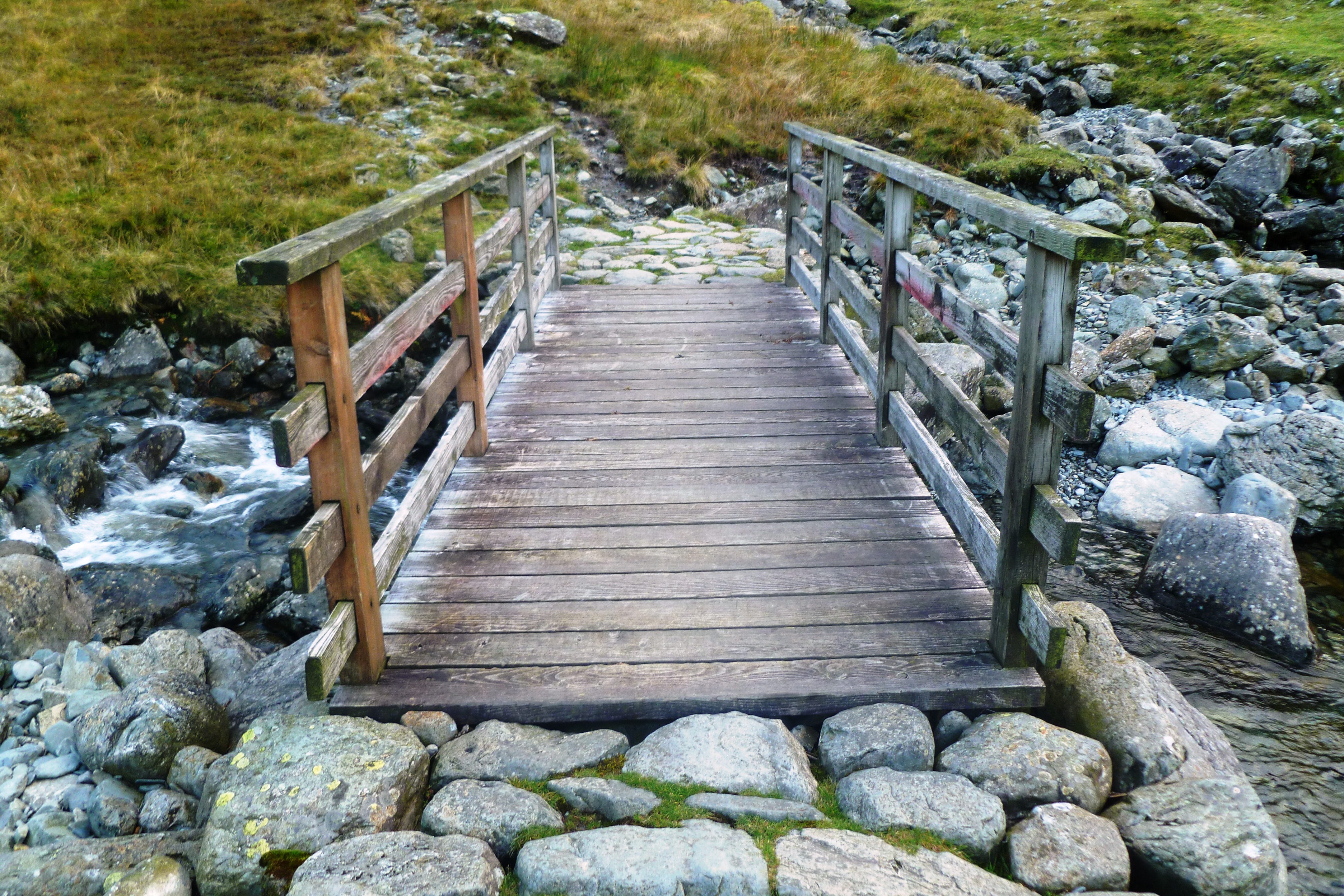
At the little foot-Bridge we stopped to look at the company of rivers which came hurrying down the vale this way & that; it was a valley of streams & Islands, with that great waterfall at the head and lesser falls in different parts of the mountains coming down these Rivers. We walked forward & backwards until all distant objects except the white shape of the waterfall, & the lines of the mountain were gone.
— Dorothy Wordsworth, Grasmere Journal, 9 December 1800.
Dorothy Wordsworth
The journals of Dorothy Wordsworth became an important companion throughout the research. Her careful observations of weather, light, sound and movement through the Lake District offered a way of dwelling attentively in place and profoundly influenced both the walking performance and the artist's publication.
At the little foot-Bridge we stopped to look at the company of rivers which came hurrying down the vale this way & that; it was a valley of streams & Islands, with that great waterfall at the head and lesser falls in different parts of the mountains coming down these Rivers. We walked forward & backwards until all distant objects except the white shape of the waterfall, & the lines of the mountain were gone.
— Dorothy Wordsworth, Grasmere Journal, 9 December 1800.
end of path...family line stops
regret...looking back...missed opportunities
hysterectomy...sudden decision...remove possibility
Dorothy Wordsworth...writing...many generations
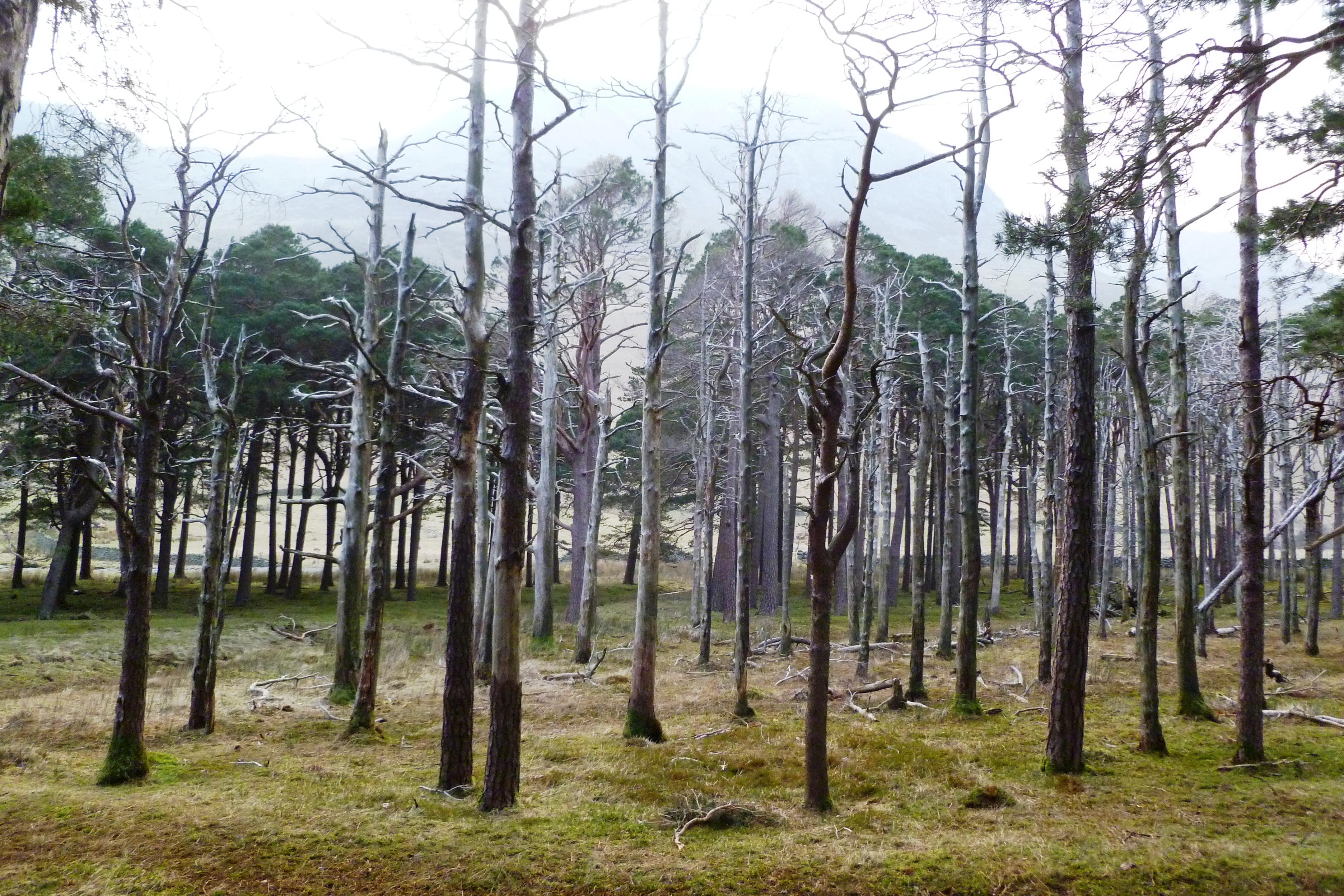
many grandmothers...trees dying out
beautiful...autumnal...love this spot...sit...be quiet
a grotto...calm...settled
feeling better...hope for future...whatever it is
different futures...identity...new self
land returning
puddle...frogs eggs...huge compared to human eggs
stillness
Extract of words distilled from 'mapping walks'.
end of path...family line stops
regret...looking back...missed opportunities
hysterectomy...sudden decision...remove possibility
Dorothy Wordsworth...writing...many generations
many grandmothers...trees dying out
beautiful...autumnal...love this spot...sit...be quiet
a grotto...calm...settled
feeling better...hope for future...whatever it is
different futures...identity...new self
land returning
puddle...frogs eggs...huge compared to human eggs
stillness
Extract of words distilled from 'mapping walks'.
Fertility research
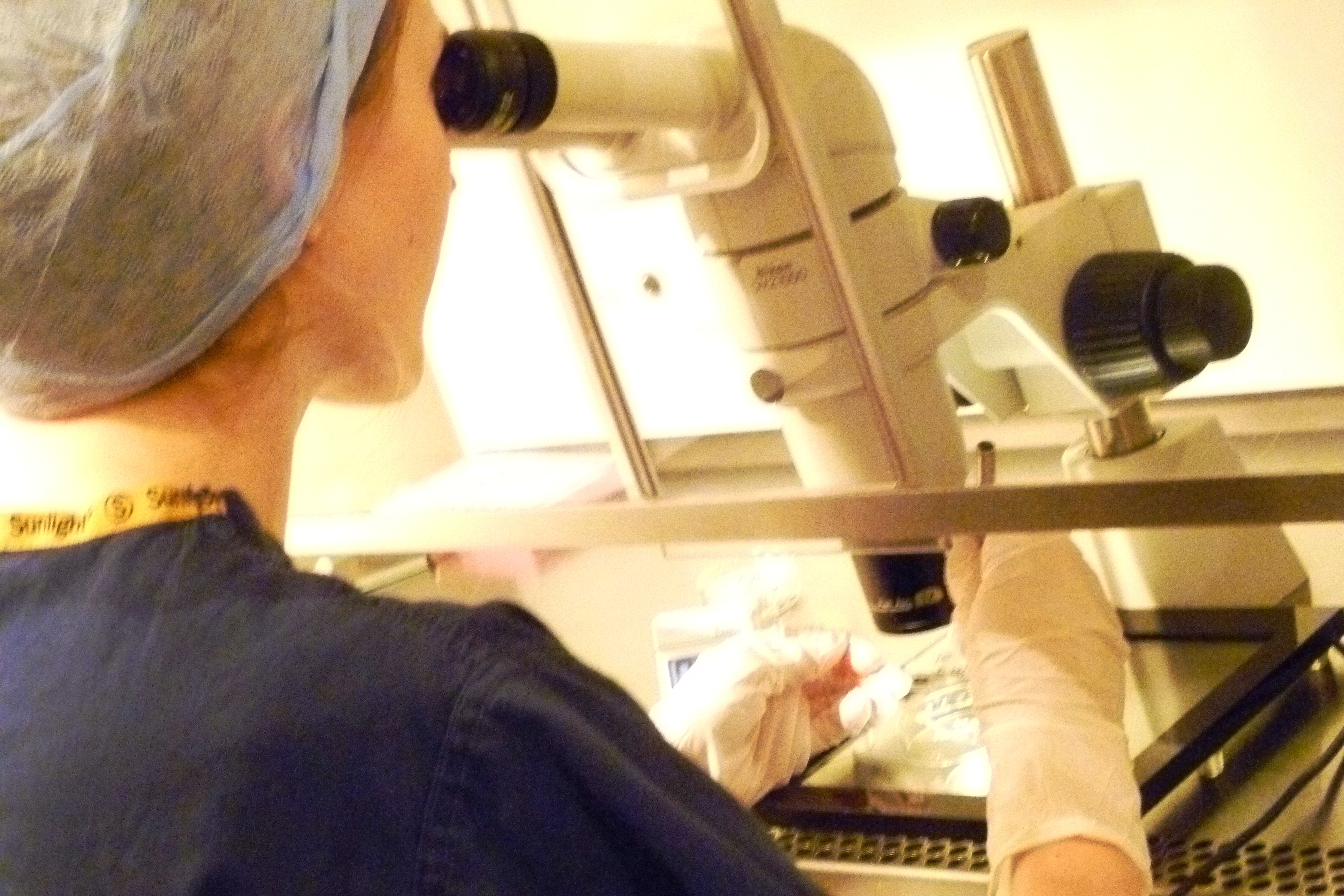
Alongside the landscape research, Louise spent time in fertility clinics, observing practice and speaking with clinicians, embryologists, fertility specialists and social scientists. This work was complemented by wider reading across fertility studies, sociology and women's health, bringing together medical knowledge with lived experience.
As the project developed, these different forms of knowledge became interwoven, allowing artistic practice, scientific understanding and personal experience to inform one another.
Fertility research
Alongside the landscape research, Louise spent time in fertility clinics, observing practice and speaking with clinicians, embryologists, fertility specialists and social scientists. This work was complemented by wider reading across fertility studies, sociology and women's health, bringing together medical knowledge with lived experience.
As the project developed, these different forms of knowledge became interwoven, allowing artistic practice, scientific understanding and personal experience to inform one another.
IVF eliminates the natural cycle re-placing it with an artificial one that controls biology. At times it is experienced as the 'quest for a miracle baby' that is not just a strictly biological or technical journey, but a spiritual one of faith, hope, and sacrifice.
Sarah Franklin, Born and Made.
IVF eliminates the natural cycle re-placing it with an artificial one that controls biology. At times it is experienced as the 'quest for a miracle baby' that is not just a strictly biological or technical journey, but a spiritual one of faith, hope, and sacrifice.
Sarah Franklin, Born and Made.
.JPG)
.JPG)
.JPG)
.JPG)
.JPG)
.JPG)
.JPG)
.JPG)
.JPG)
Ways of Looking
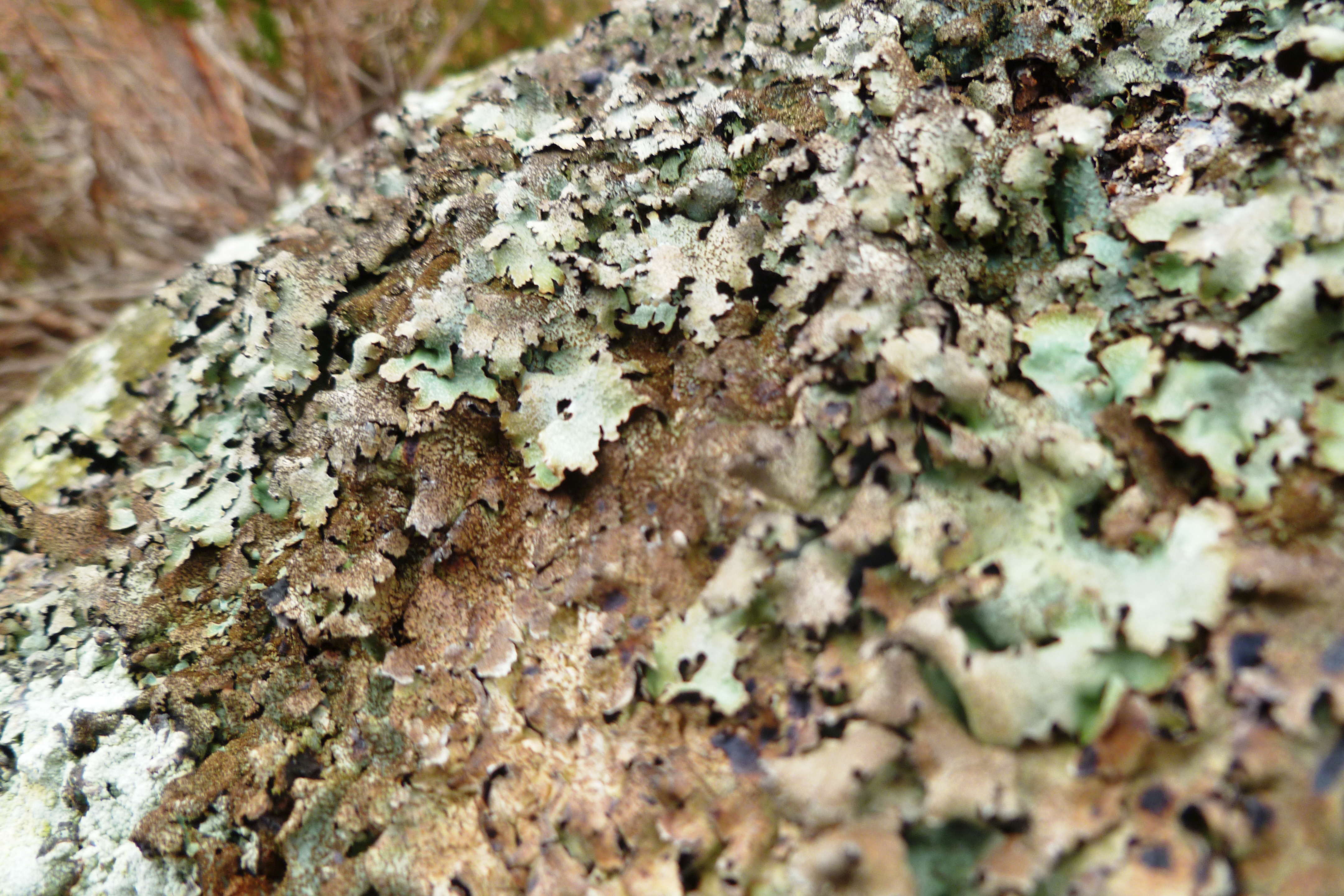
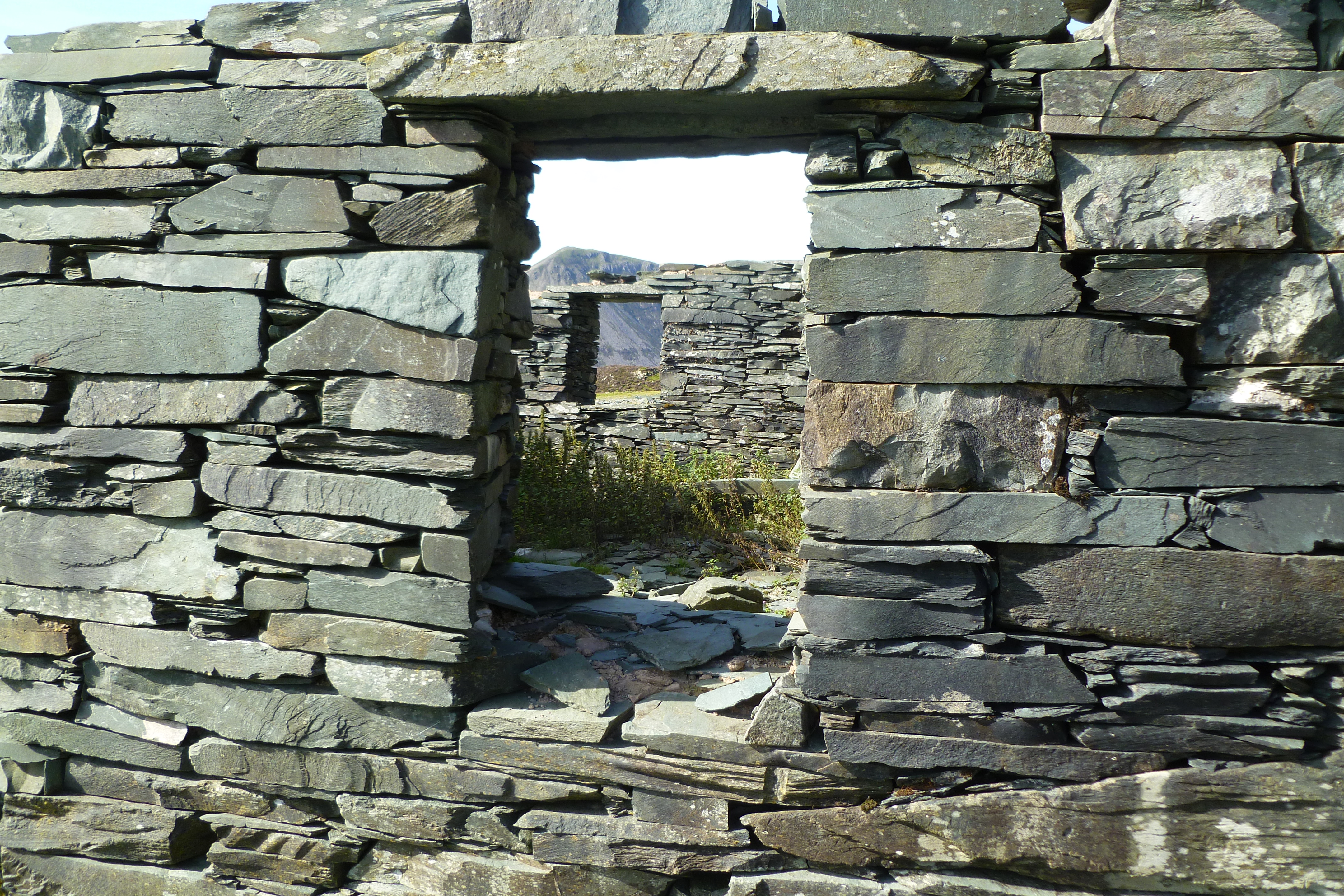
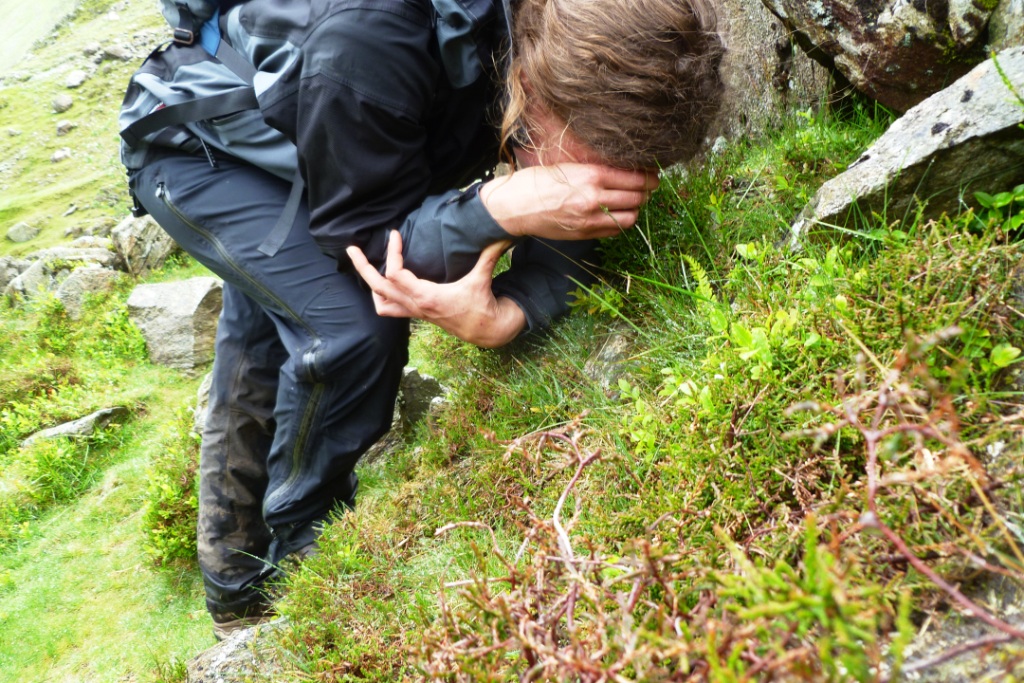
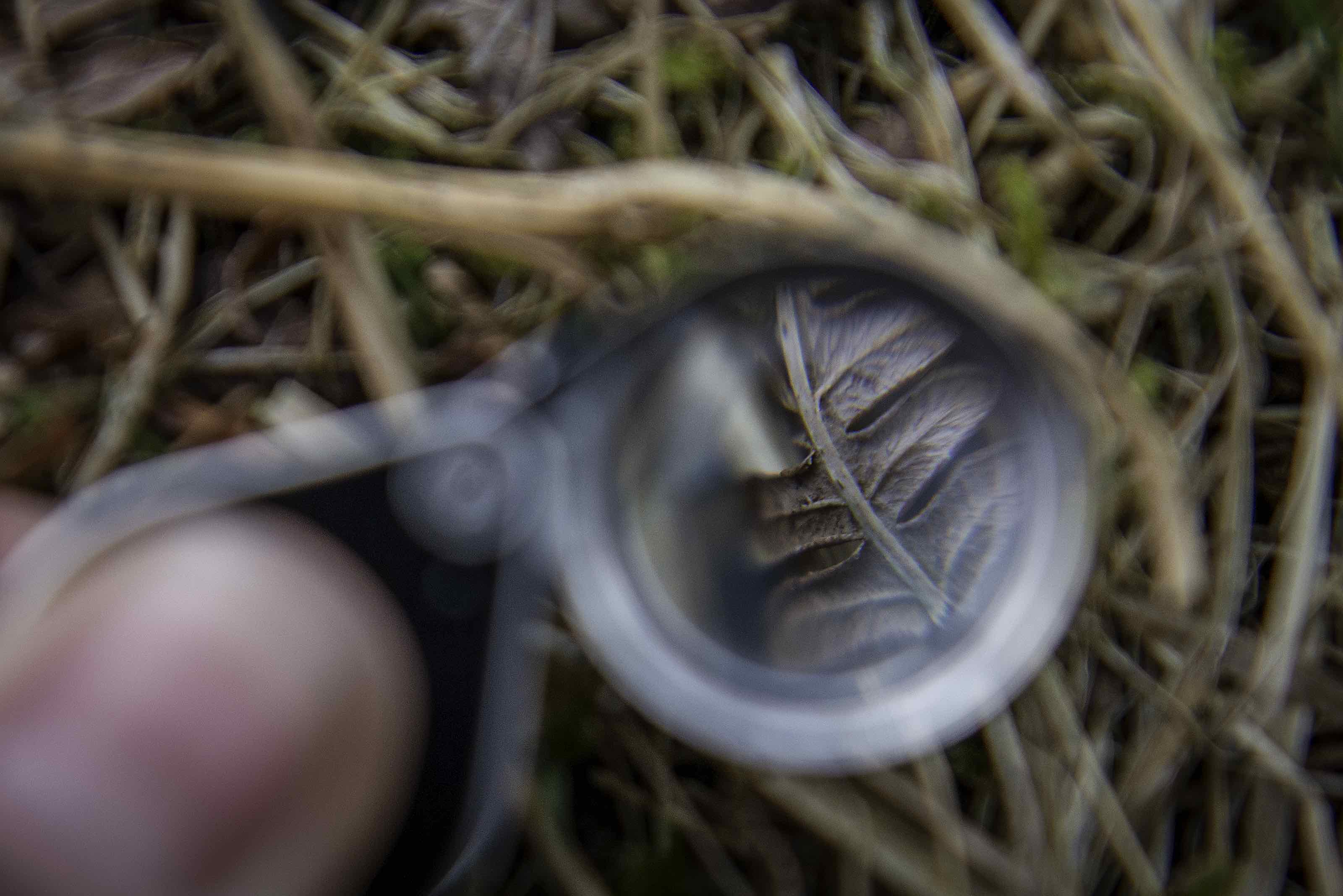
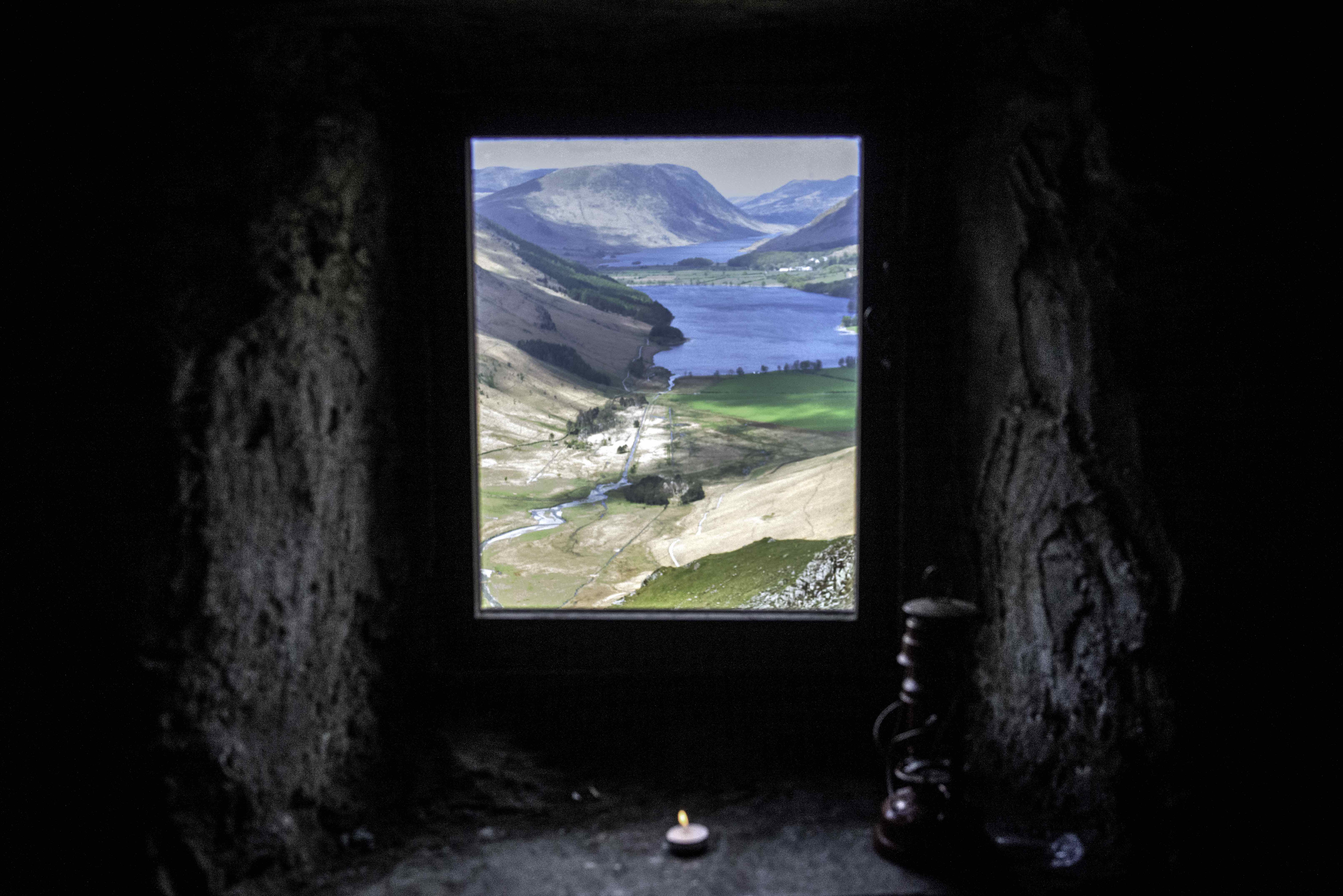
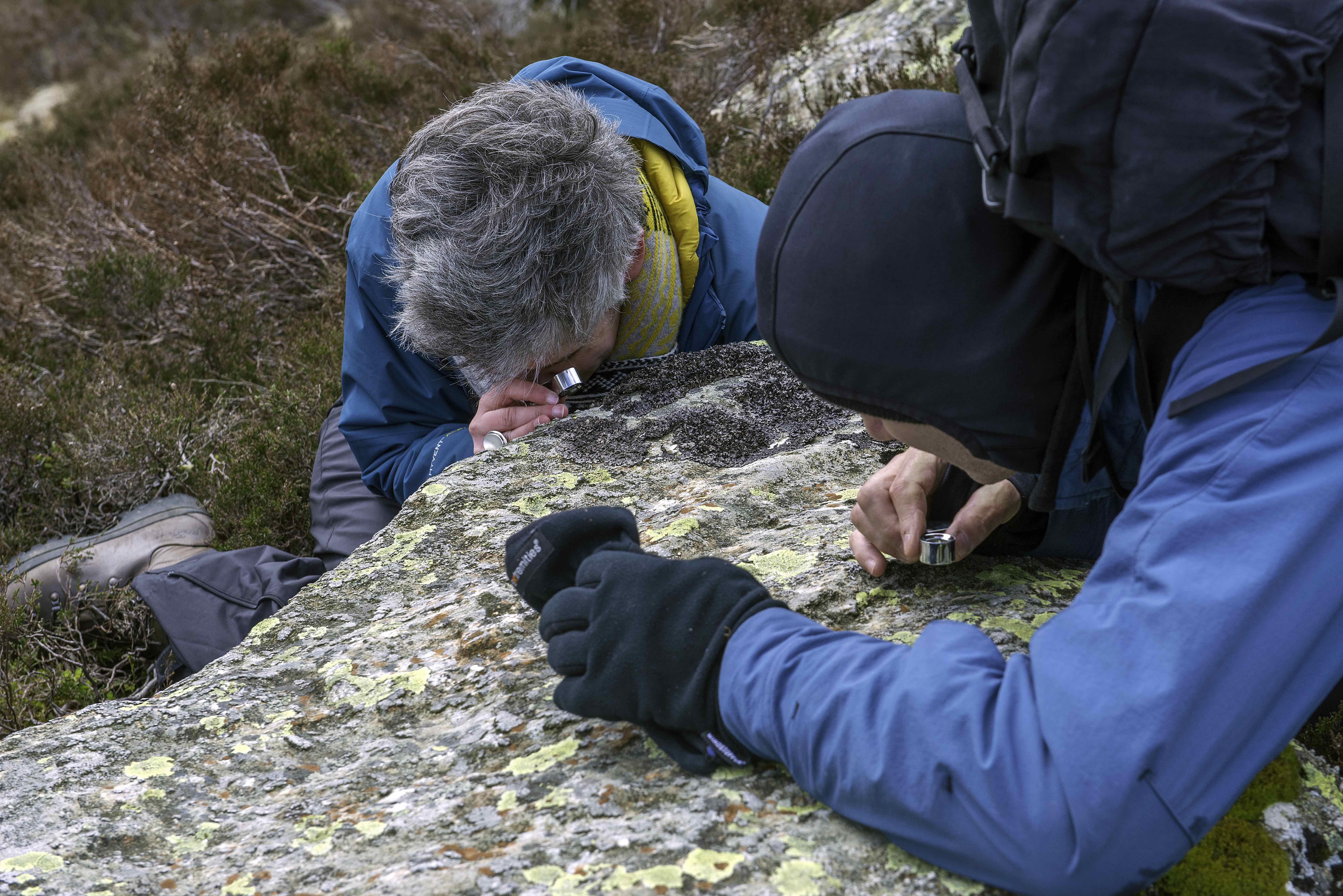
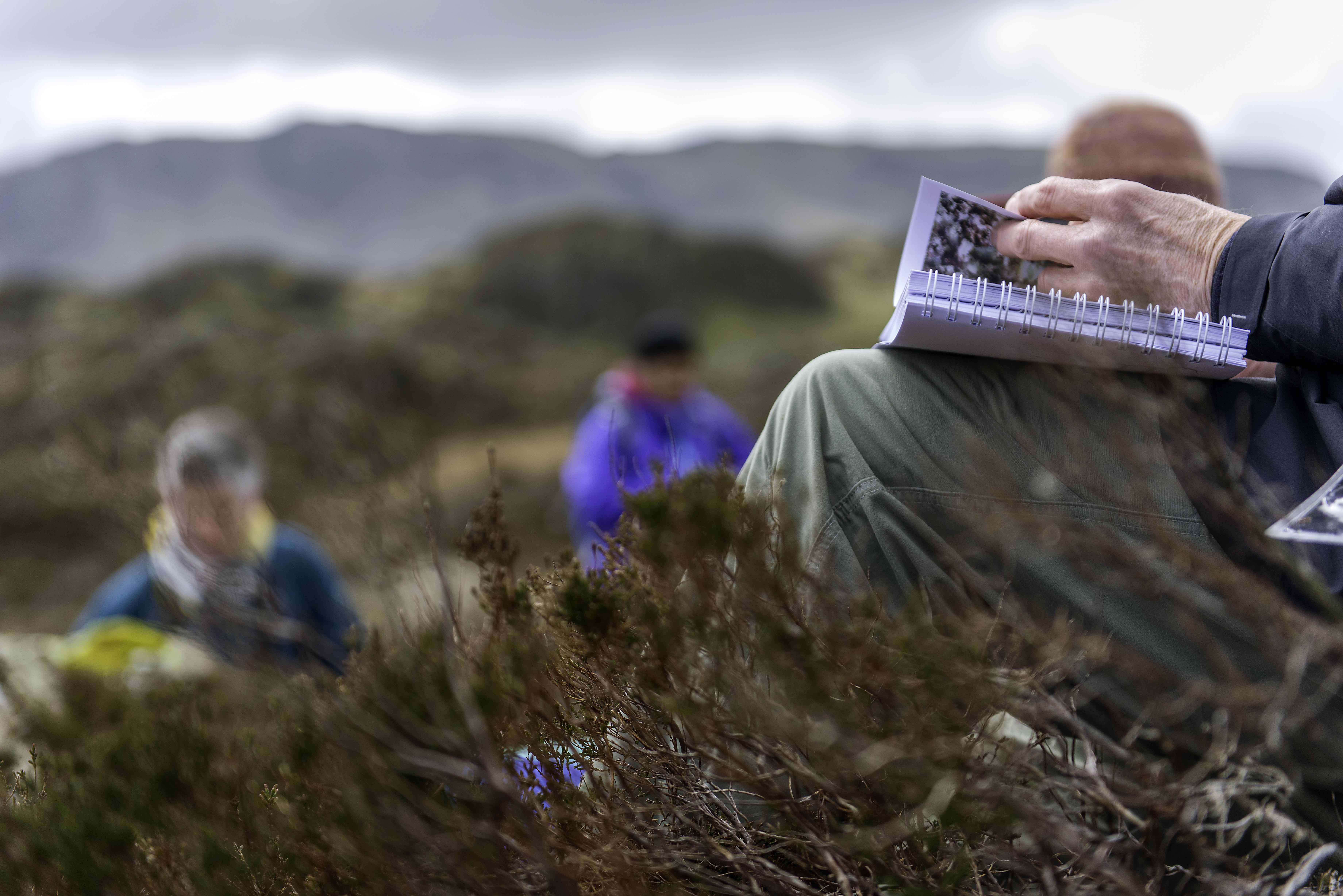
Ways of looking are central to the development and design of this performance and book which has been greatly inspired by two ways of perceiving landscape, namely, the picturesque (Warnscale Head Bothy has a window that frames the expansive view of the valley) and, secondly, the feminine sublime, both of which are embodied in the writing of Dorothy Wordsworth. The research on site and in fertility clinics revealed different sorts and scales of looking. A geological lens reveals the detail of a volcanic rock and the lichen growing on it. Binoculars bring the distant landscape closer. Microscopes enable the study of micro fauna in a tarn; the grading of human oocytes, sperm and embryos in a womb; and observation of the womb lining prepearing itself for the implantation of an oocyte then emptying itself when it has not. What these ways of looking do not reveal is the longing for a child.
Warnscale seeks to help the walker find a place for quiet reflection and experience the elemental forces around and within, share their own story, acknowledge where they are at present and consider the future paths they might follow, express the worries and fears that otherwise they may not dare to think, or speak and find new ways of seeing that may lead to new ways of feeling. The hope is that the performance and book enables a participant to enter into this landscape as a place of metaphor and reflection and, like Dorothy Wordsworth, that, through walking, they connect to place and in so doing connect to themselves in such a way that might be transformative.
...We focus so much on achieving “success” having that much wanted child, beating the odds to become parents through IVF. We probably don’t acknowledge adequately the number of patients who will not have a baby this way – ever. This project shows in a graphic form how different people cope with the loss of the baby they may never have, the grief for something that will never be. It is a beautifully executed book pulling together strands of treatment into strands of landscape. Thought provoking and moving.
Wanda Georgiades, CARE Fertility Group.
Ways of Looking
Ways of looking are central to the development and design of this performance and book which has been greatly inspired by two ways of perceiving landscape, namely, the picturesque (Warnscale Head Bothy has a window that frames the expansive view of the valley) and, secondly, the feminine sublime, both of which are embodied in the writing of Dorothy Wordsworth. The research on site and in fertility clinics revealed different sorts and scales of looking. A geological lens reveals the detail of a volcanic rock and the lichen growing on it. Binoculars bring the distant landscape closer. Microscopes enable the study of micro fauna in a tarn; the grading of human oocytes, sperm and embryos in a womb; and observation of the womb lining prepearing itself for the implantation of an oocyte then emptying itself when it has not. What these ways of looking do not reveal is the longing for a child.
Warnscale seeks to help the walker find a place for quiet reflection and experience the elemental forces around and within, share their own story, acknowledge where they are at present and consider the future paths they might follow, express the worries and fears that otherwise they may not dare to think, or speak and find new ways of seeing that may lead to new ways of feeling. The hope is that the performance and book enables a participant to enter into this landscape as a place of metaphor and reflection and, like Dorothy Wordsworth, that, through walking, they connect to place and in so doing connect to themselves in such a way that might be transformative.
...We focus so much on achieving “success” having that much wanted child, beating the odds to become parents through IVF. We probably don’t acknowledge adequately the number of patients who will not have a baby this way – ever. This project shows in a graphic form how different people cope with the loss of the baby they may never have, the grief for something that will never be. It is a beautifully executed book pulling together strands of treatment into strands of landscape. Thought provoking and moving.
Wanda Georgiades, CARE Fertility Group.
.JPG)
.JPG)
Mapping Walks
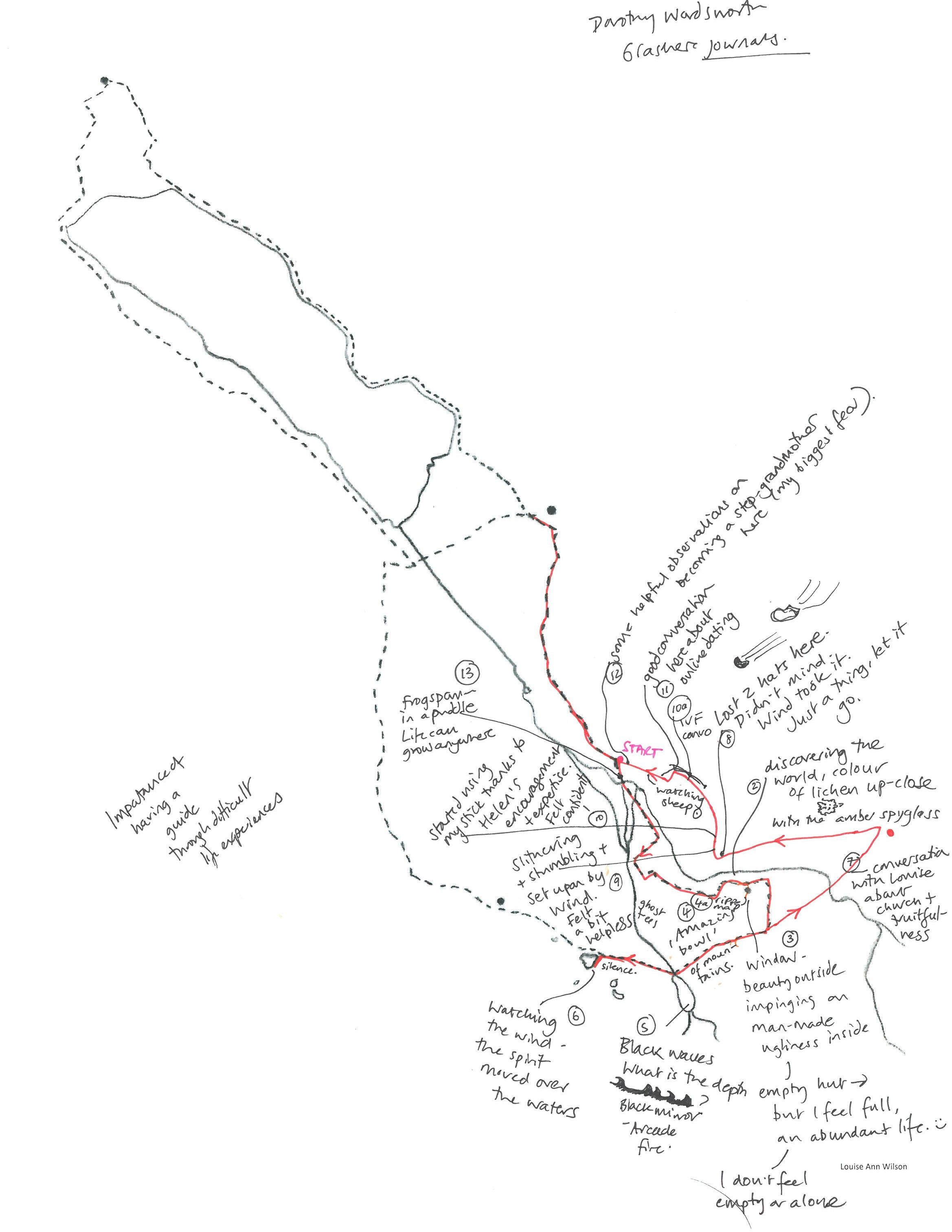
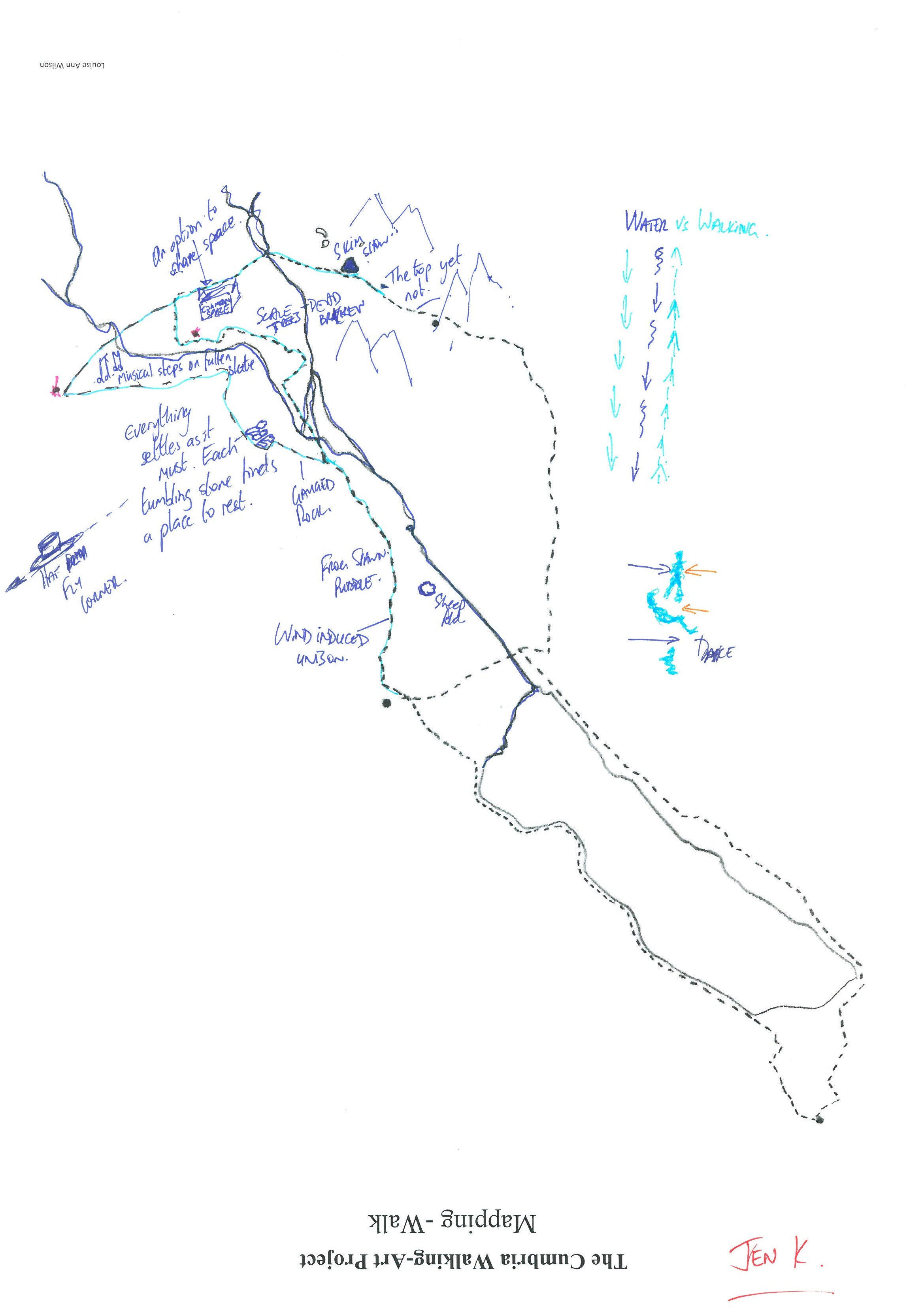
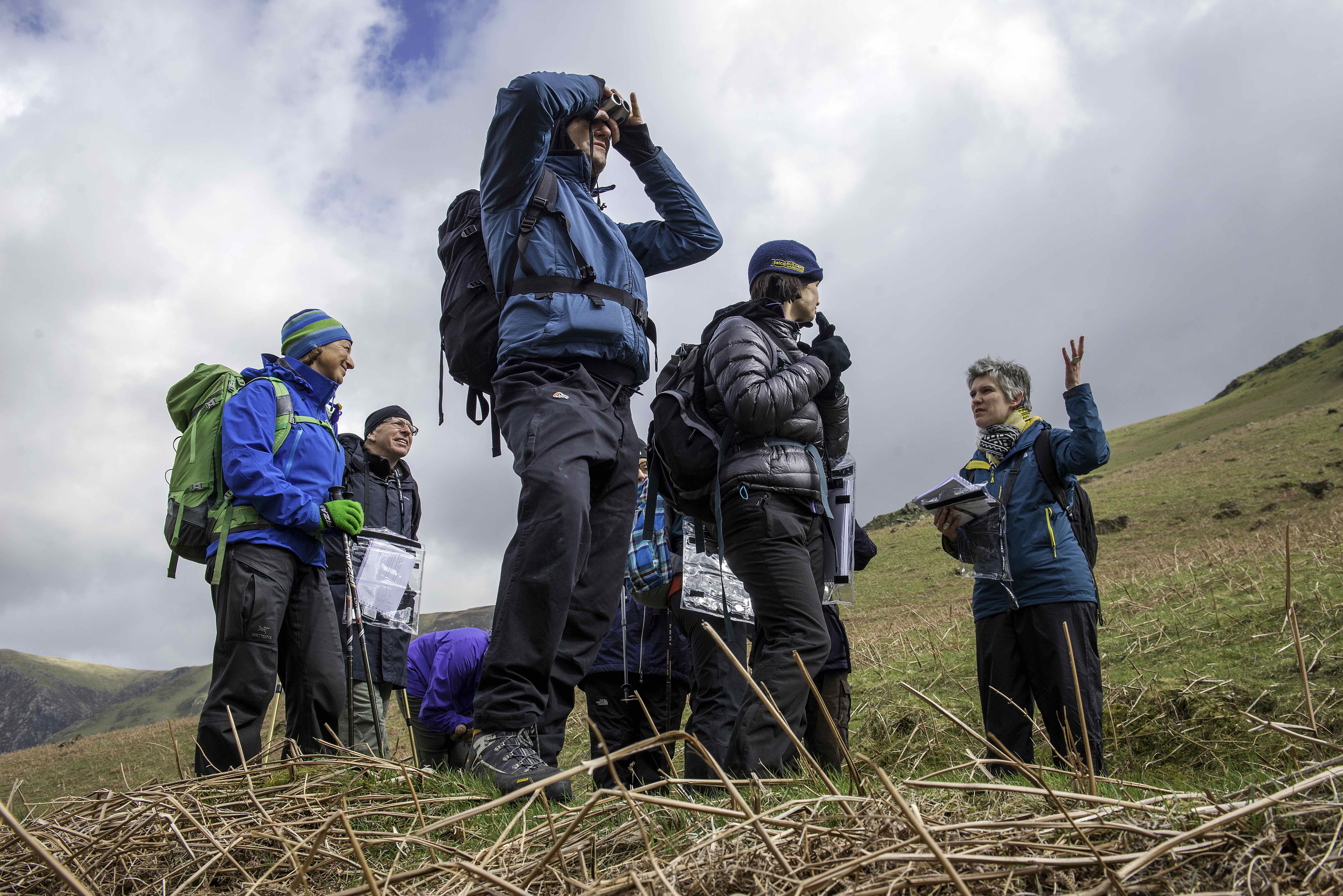
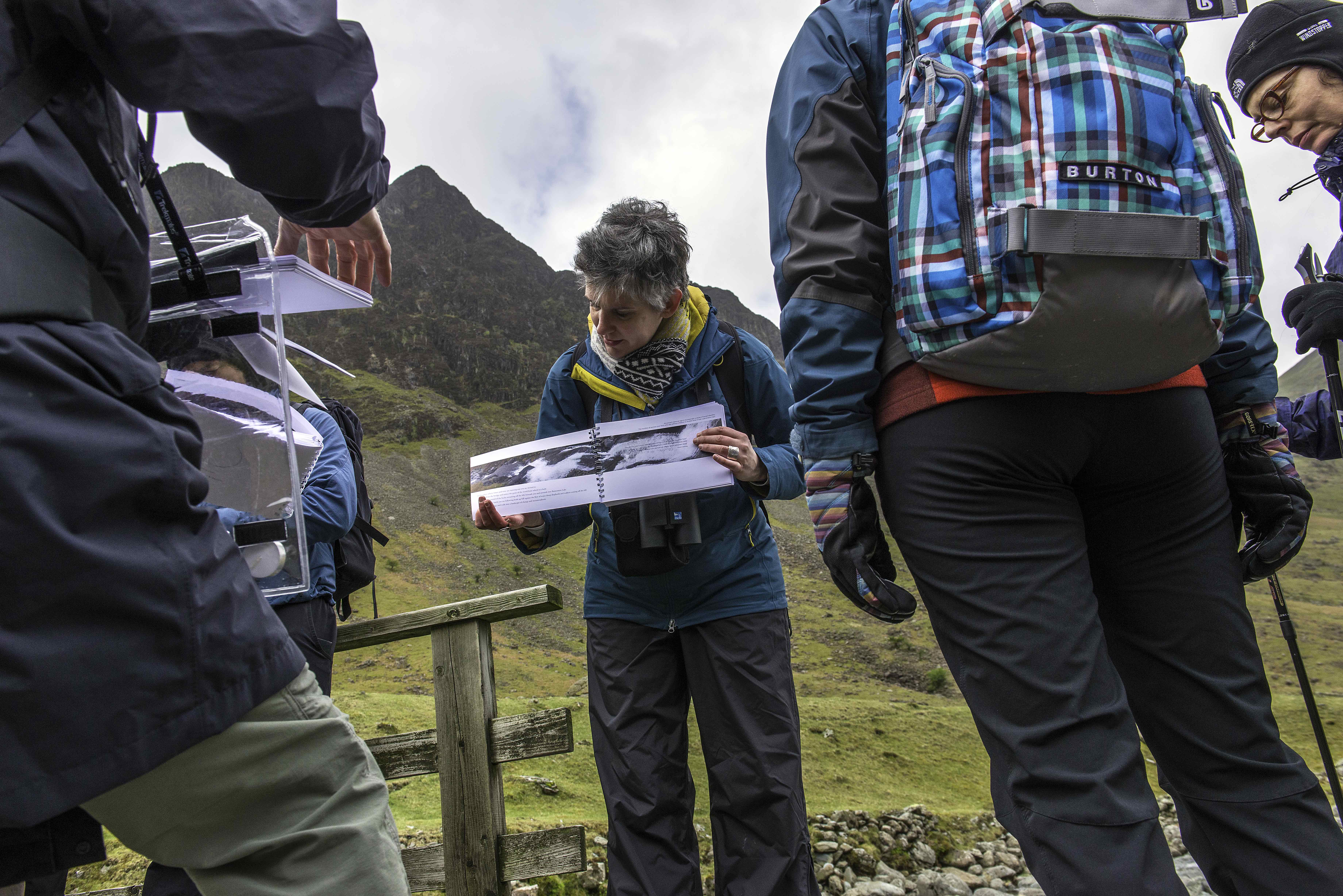
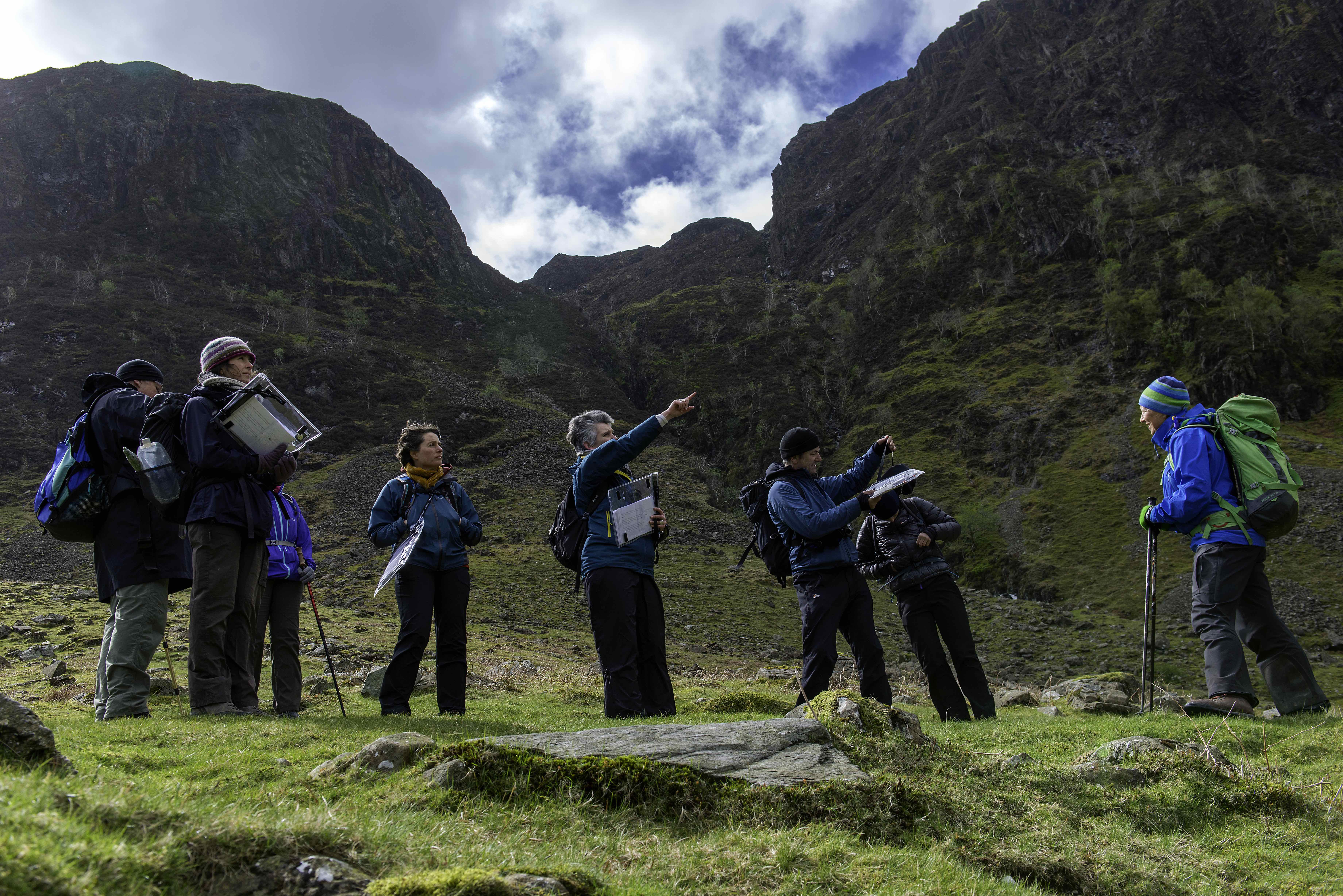
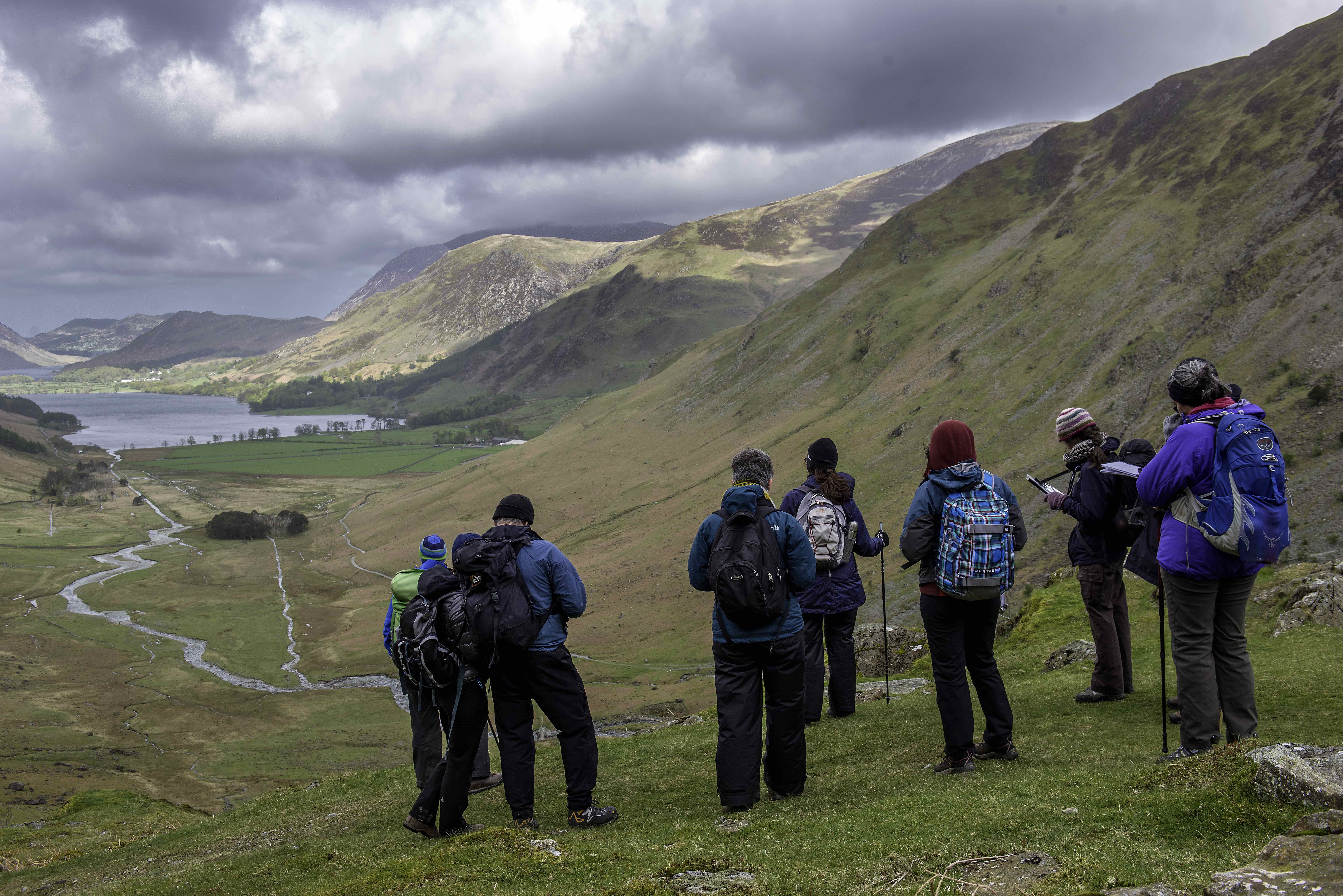
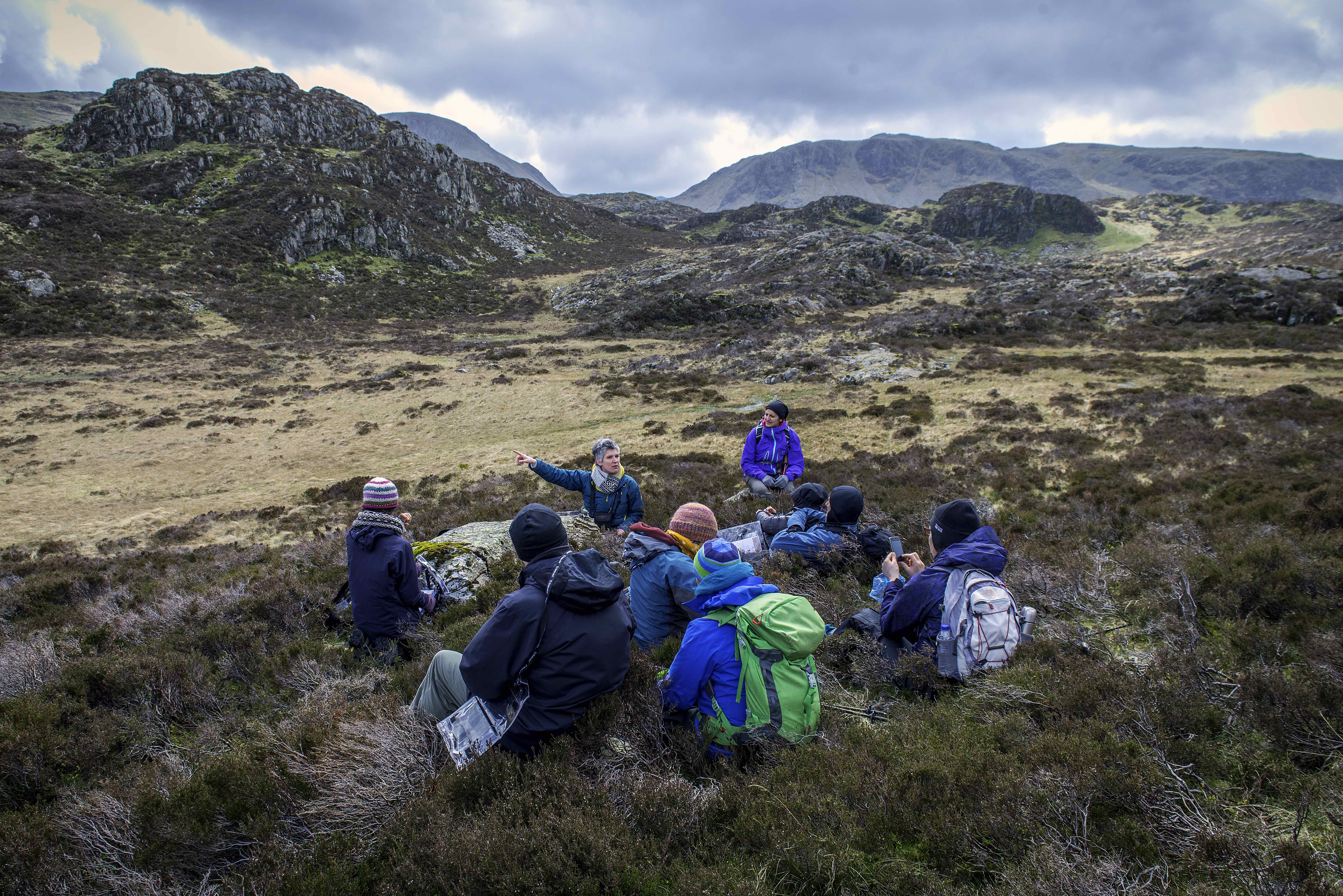
At the heart of the research were a series of one-to-one and small-group mapping-walks undertaken over the course of a year in all seasons and weathers with women who were childless-by-circumstance. Participants walked together through different landscapes, responding to changing weather, sounds, terrain and atmosphere while reflecting upon their own experiences.
The women who took part were biolgocially childless for a range of reasons including biological or medical factors, age-related or undiagnosed infertility; or social infertility factors, such as the absence of a relationship or a relationship with a person who does not want, or is uanble to have, children. A number had and/or were continuing to have infertility treatment, whilst others had decided to stop pursuing treatment after multiple attempts, and were seeking pregnancy through donor eggs, had adopted children or were deciding to adopt, or were unresolved as to what to do next.
Many of the women talked about the isolation that infertility and fertility treatment causes and their grief for the biological children they will not bear; some had realised too late that their fertility window was limited and time was running, or had run, out. Often there was the feeling that their lack of childbearing was disappointing for parents and grandparents, and the weight of that awareness was increased by the knowledge that their family line could end with them; many were reconsidering what their identity would be outside of biological motherhood.
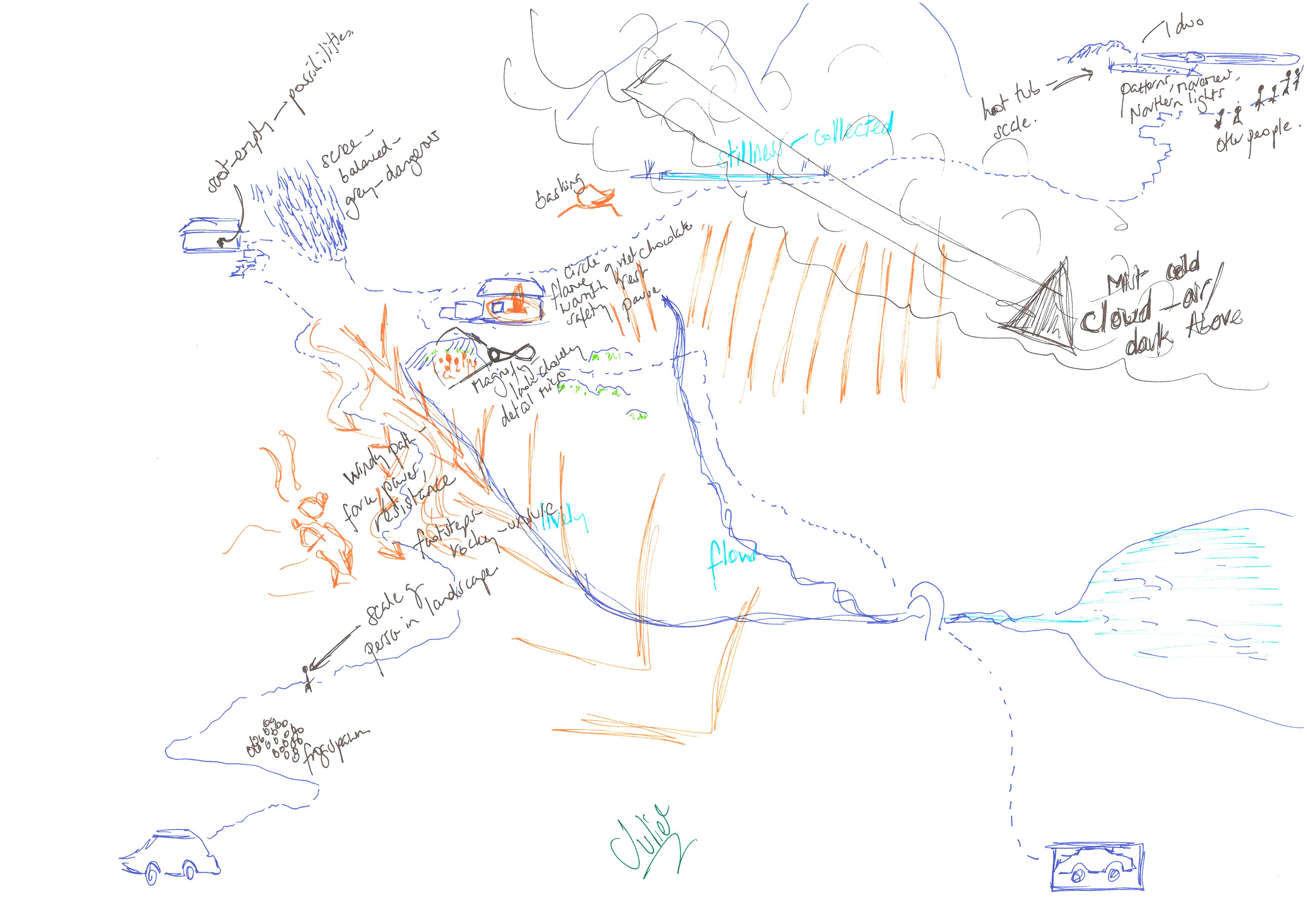
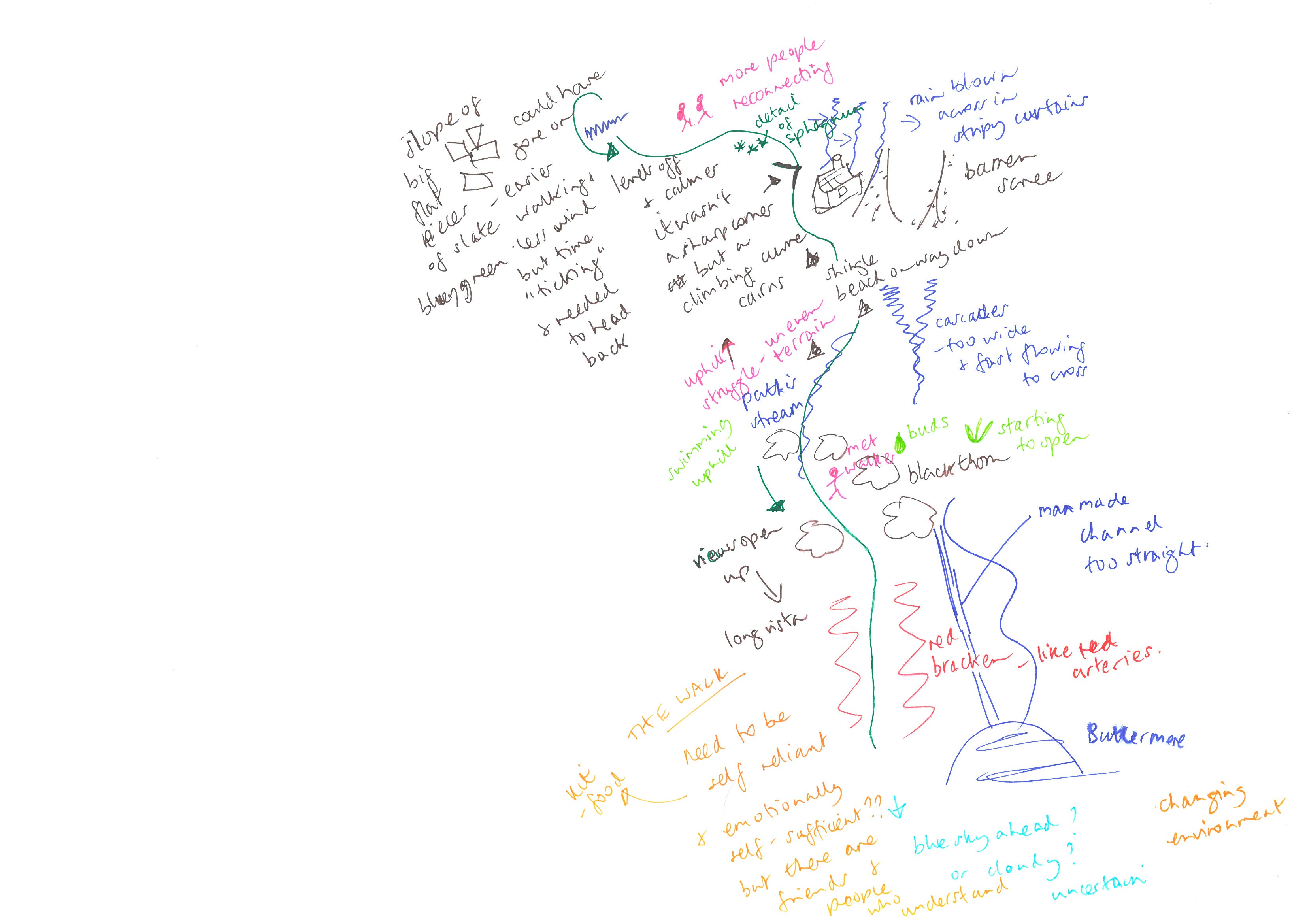
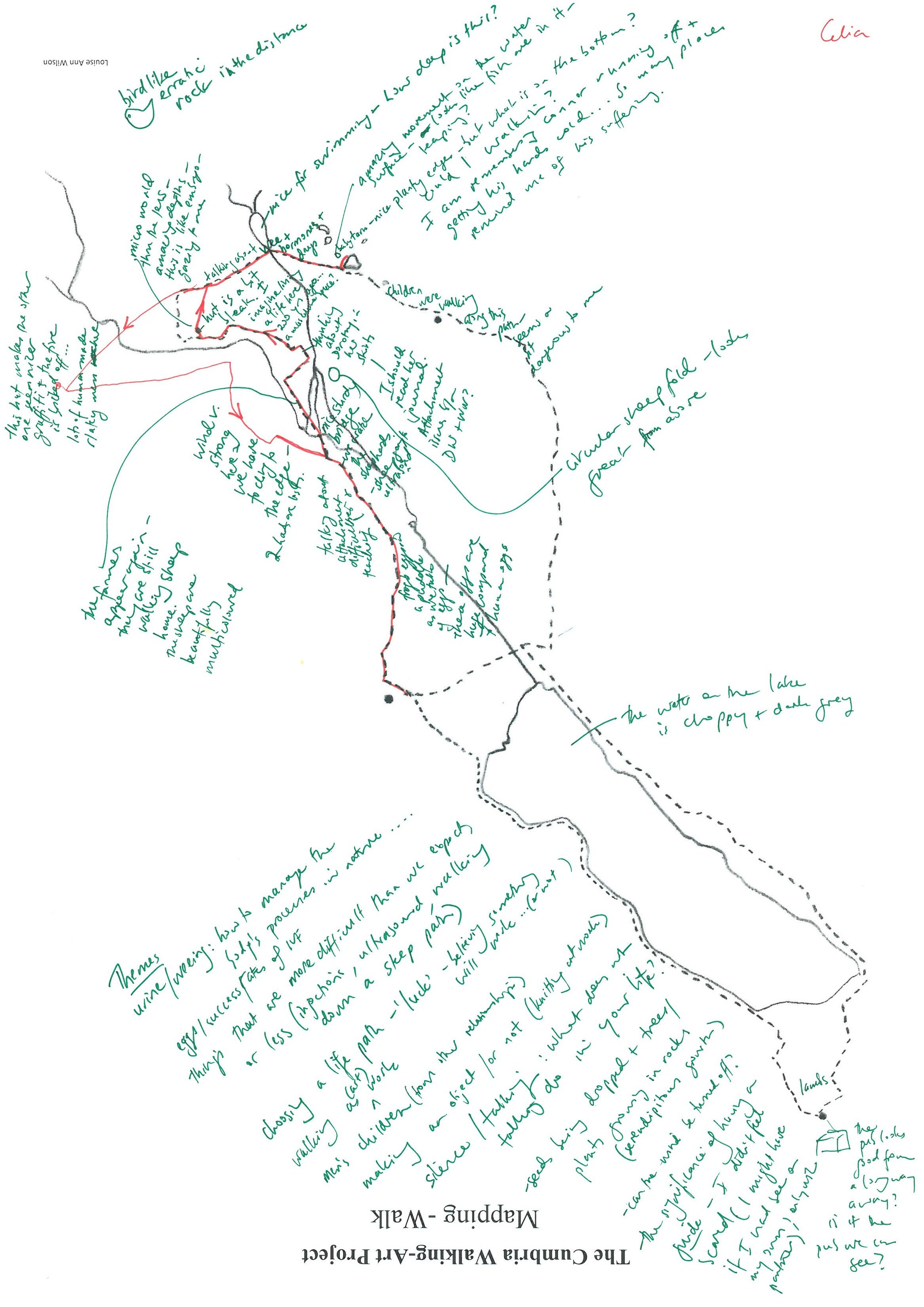
Following each walk, participants created memory maps that recorded significant places, conversations, feelings and observations. These maps, together with the words, stories and images that emerged from them, became the foundation from which the walking performance and artist's publication gradually evolved.
Mapping Walks
At the heart of the research were a series of one-to-one and small-group mapping-walks undertaken over the course of a year in all seasons and weathers with women who were childless-by-circumstance. Participants walked together through different landscapes, responding to changing weather, sounds, terrain and atmosphere while reflecting upon their own experiences.
The women who took part were biolgocially childless for a range of reasons including biological or medical factors, age-related or undiagnosed infertility; or social infertility factors, such as the absence of a relationship or a relationship with a person who does not want, or is uanble to have, children. A number had and/or were continuing to have infertility treatment, whilst others had decided to stop pursuing treatment after multiple attempts, and were seeking pregnancy through donor eggs, had adopted children or were deciding to adopt, or were unresolved as to what to do next.
Many of the women talked about the isolation that infertility and fertility treatment causes and their grief for the biological children they will not bear; some had realised too late that their fertility window was limited and time was running, or had run, out. Often there was the feeling that their lack of childbearing was disappointing for parents and grandparents, and the weight of that awareness was increased by the knowledge that their family line could end with them; many were reconsidering what their identity would be outside of biological motherhood.
Following each walk, participants created memory maps that recorded significant places, conversations, feelings and observations. These maps, together with the words, stories and images that emerged from them, became the foundation from which the walking performance and artist's publication gradually evolved.
.JPG)
.JPG)
.JPG)
.JPG)
.JPG)
.JPG)
.JPG)
.JPG)
.JPG)
The mapping-walks took place over a year and were undertaken in all weathers as one-to-one walks or in a small group. Each walk invited participants to respond to the landscape and environmental phenomenon of the place, and to notice sights and sounds, thus allowing the landscape, and its changing forces, to become a metaphor for each participant’s personal experiences of childlessness. After the walk, participants drew a memory map of their walk that highlighted places or moments of significance and meaning. It is these mapping-walks, maps and the words, and the feelings, images and conversations they provoked, that Louise distilled into one map and, with the other research materials, developed into the book.
The mapping-walks took place over a year and were undertaken in all weathers as one-to-one walks or in a small group. Each walk invited participants to respond to the landscape and environmental phenomenon of the place, and to notice sights and sounds, thus allowing the landscape, and its changing forces, to become a metaphor for each participant’s personal experiences of childlessness. After the walk, participants drew a memory map of their walk that highlighted places or moments of significance and meaning. It is these mapping-walks, maps and the words, and the feelings, images and conversations they provoked, that Louise distilled into one map and, with the other research materials, developed into the book.
I loved the walk itself, and all its weather. I really liked making the map at the end. I was glad of the opportunity to talk with other women along the way [...] The book is a very beautiful reminder of the walk, but also feels like a deeper resource for thinking about land, children, belonging.
A thoroughly unique and welcome experience that blended the artistic, somatic and personal in one of nature’s beautiful settings, allowing connection to ourselves, the landscape and our point in time.
There's a line in a John Grant song about a landscape being carved by the glacias moving through it - carving deep valleys and enriching the soil with minerals the pain of childlessness felt something like that – it had a depth I have never experienced
before.
Mapping-Walk Participants
I loved the walk itself, and all its weather. I really liked making the map at the end. I was glad of the opportunity to talk with other women along the way [...] The book is a very beautiful reminder of the walk, but also feels like a deeper resource for thinking about land, children, belonging.
A thoroughly unique and welcome experience that blended the artistic, somatic and personal in one of nature’s beautiful settings, allowing connection to ourselves, the landscape and our point in time.
There's a line in a John Grant song about a landscape being carved by the glacias moving through it - carving deep valleys and enriching the soil with minerals the pain of childlessness felt something like that – it had a depth I have never experienced
before.
Mapping-Walk Participants
Distilling the Work
Throughout the research, conversations, mapping-walks, memory maps, drawings, photographs, field notes and archival materials were continually distilled and reconfigured. Rather than illustrating research, Warnscale transforms these materials into an experience through which participants are invited to make their own connections between landscape, memory, loss and hope.
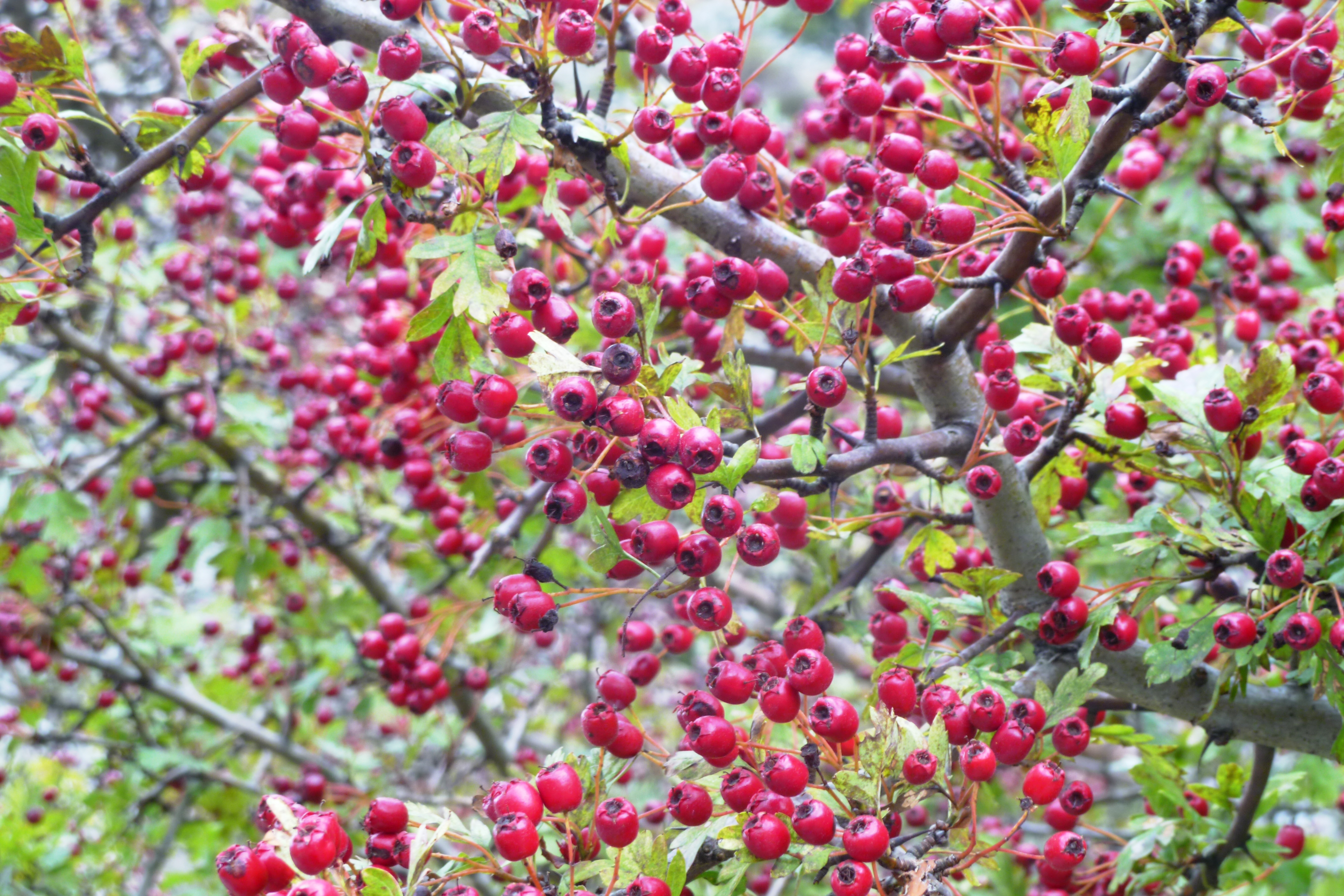
blackthorn...hawthorn...buds...starting to open...embryos
three...four...IVF...trapped in cycle
too much science...things not working out
disappointment...grandparents...parents
LOSS
juniper...birdsong...still air
tree...roots and branches
family tree...mother...grandmother...daughter
words...thoughts...stories...talk...stones...tumbling
Extract of words distilled from mapping-walks.
Distilling the Work
Throughout the research, conversations, mapping-walks, memory maps, drawings, photographs, field notes and archival materials were continually distilled and reconfigured. Rather than illustrating research, Warnscale transforms these materials into an experience through which participants are invited to make their own connections between landscape, memory, loss and hope.
blackthorn...hawthorn...buds...starting to open...embryos
three...four...IVF...trapped in cycle
too much science...things not working out
disappointment...grandparents...parents
LOSS
juniper...birdsong...still air
tree...roots and branches
family tree...mother...grandmother...daughter
words...thoughts...stories...talk...stones...tumbling
Extract of words distilled from mapping-walks.
All the while I was guided by the words of Dorothy Wordsworth and Louise Ann Wilson. Dorothy made me look at the landscape – the shapes, colours, sounds – how often she describes something so perfectly. Louise spoke to me in other ways – inviting me to stop, listen, feel, experience; encouraging me to consider the smallest details of life, from a perspective not simply my own. In these mountains we can find ‘the bliss of solitude’. There were other voices too: those of women ‘childless through circumstance’.
Jeff Cowton
Former Curator and Director, Wordsworth Grasmere.
All the while I was guided by the words of Dorothy Wordsworth and Louise Ann Wilson. Dorothy made me look at the landscape – the shapes, colours, sounds – how often she describes something so perfectly. Louise spoke to me in other ways – inviting me to stop, listen, feel, experience; encouraging me to consider the smallest details of life, from a perspective not simply my own. In these mountains we can find ‘the bliss of solitude’. There were other voices too: those of women ‘childless through circumstance’.
Jeff Cowton
Former Curator and Director, Wordsworth Grasmere.
.JPG)
Gallery
Warnscale Book Launch Walks & Exhibition 16 & 17 May 2015
Warnscale Book Launch Walks & Exhibition 16 & 17 May 2015
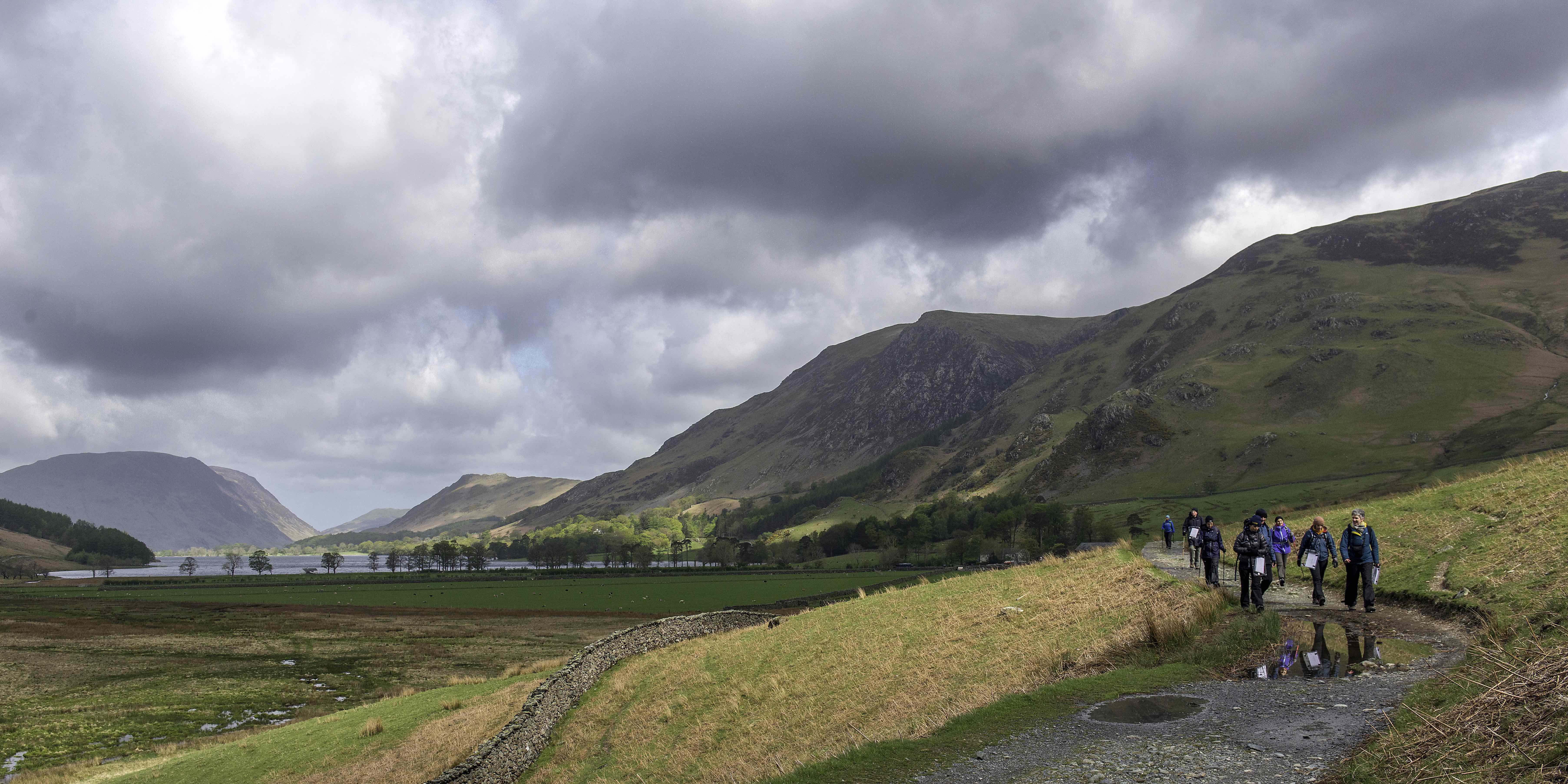
Every tooth & every edge of Rock was visible [...] like a Giant watching from the Roof of a lofty Castle. The hill seemed perpendicular from the darkness below it.
Dorothy Wordsworth, Grasmere Journal, 24 November 1800.
The sykes made a sweet sound everywhere. The little one was very impressive, a ghostly white serpent line – it made a sound most distinctly heard of itself.
Dorothy Wordsworth, Grasmere Journal, 22 February 1802.
Every tooth & every edge of Rock was visible [...] like a Giant watching from the Roof of a lofty Castle. The hill seemed perpendicular from the darkness below it.
Dorothy Wordsworth, Grasmere Journal, 24 November 1800.
The sykes made a sweet sound everywhere. The little one was very impressive, a ghostly white serpent line – it made a sound most distinctly heard of itself.
Dorothy Wordsworth, Grasmere Journal, 22 February 1802.
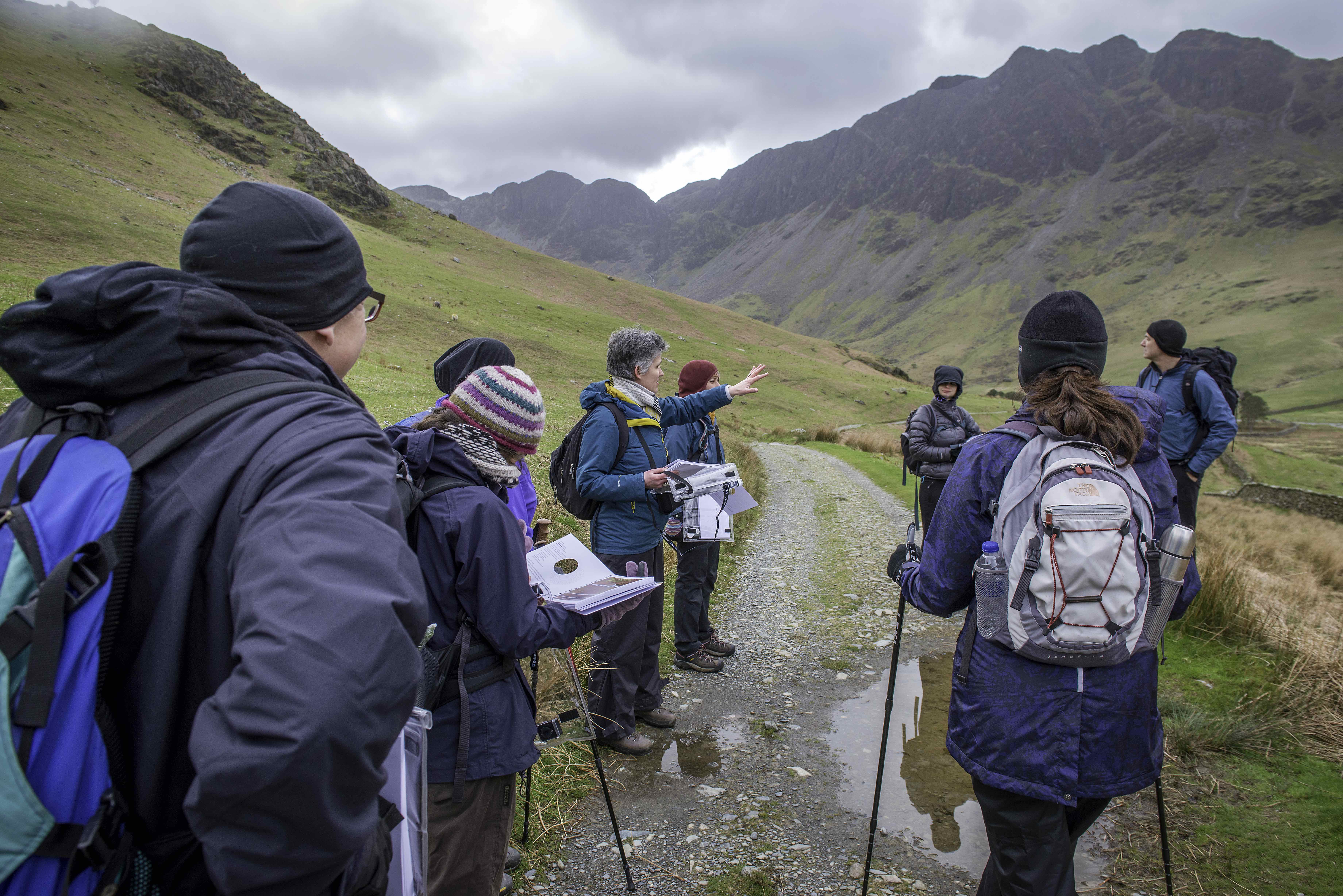
It is a glorious wild solitude under that lofty purple crag. It stood upright by itself. Its own self & its shadow below, one mass – all else was sunshine.
Dorothy Wordsworth, Grasmere Journal, 4 May 1802.
Walked to the top of a high hill...again sate down to feed upon the prospect; a magnificent scene, curiously spread out for even minute inspection, though so extensive that the mind is afraid to calculate its bounds.
Dorothy Wordsworth, Alfoxden Journal, February 1798.
It is a glorious wild solitude under that lofty purple crag. It stood upright by itself. Its own self & its shadow below, one mass – all else was sunshine.
Dorothy Wordsworth, Grasmere Journal, 4 May 1802.
Walked to the top of a high hill...again sate down to feed upon the prospect; a magnificent scene, curiously spread out for even minute inspection, though so extensive that the mind is afraid to calculate its bounds.
Dorothy Wordsworth, Alfoxden Journal, February 1798.
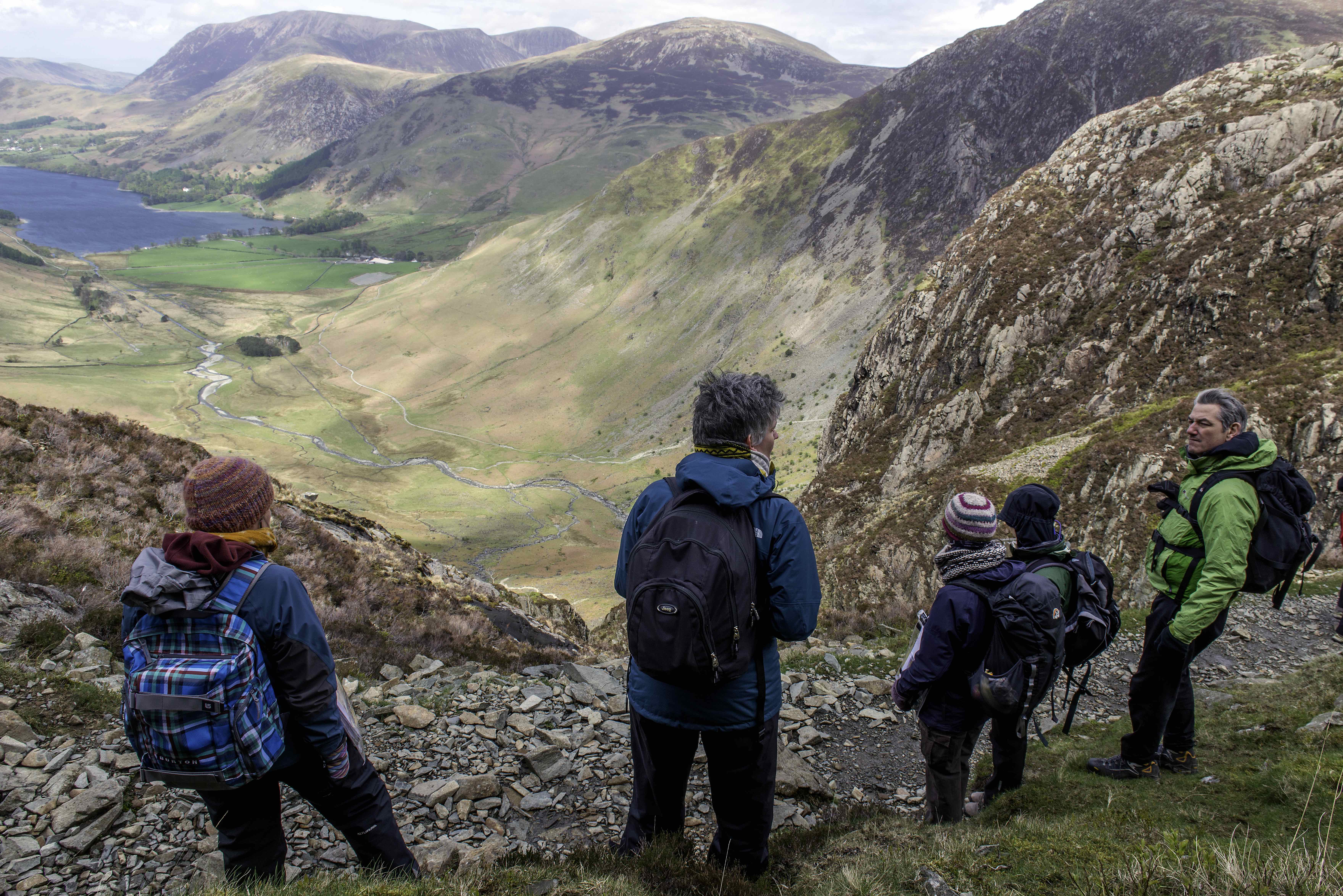
Landmark 5 - Black Beck Tarn (wait)
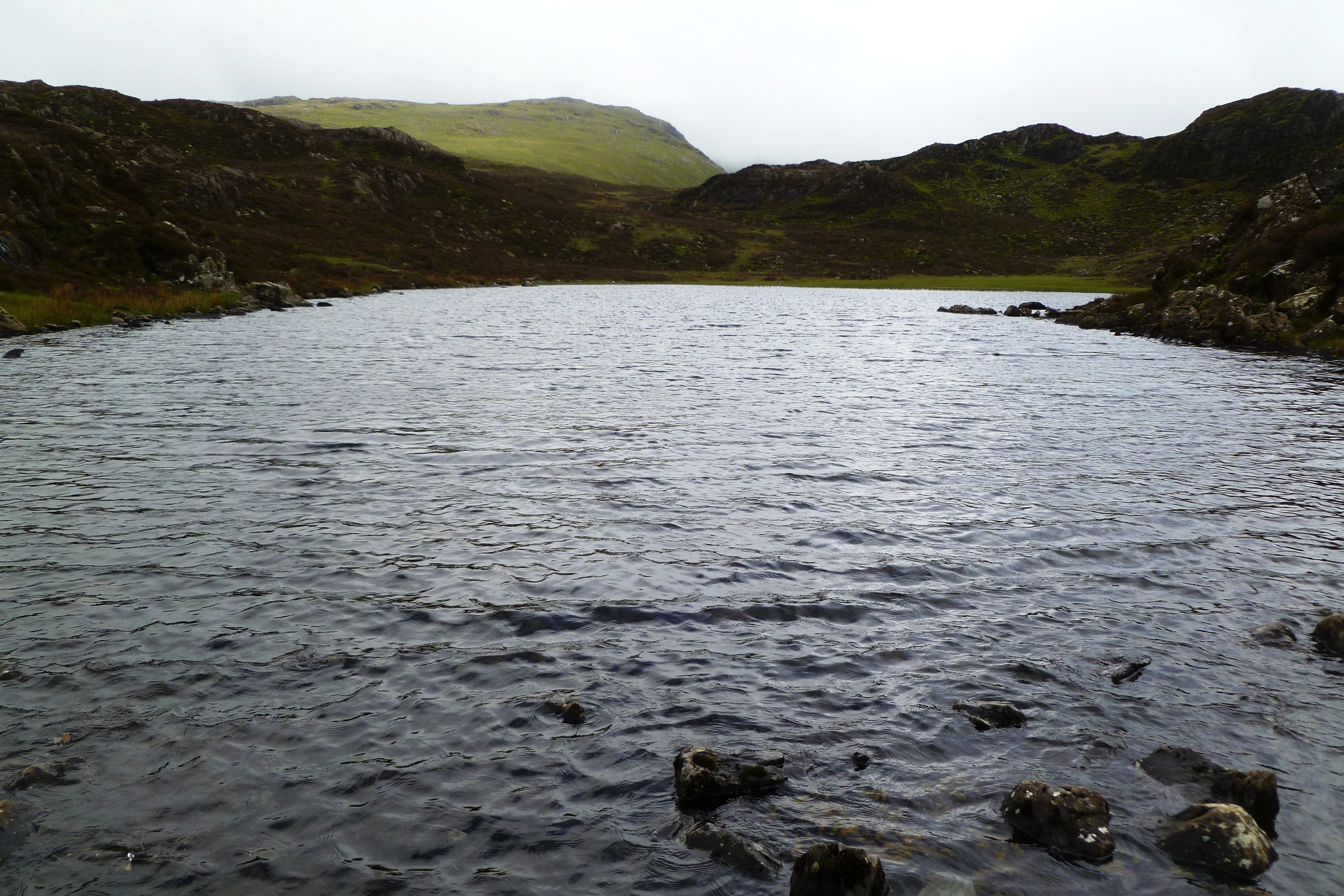
Black Beck Tarn (wait) is an oligotrophic tarn typical in cold regions. It is scarce in nutrients but supports aquatic flora and oligotroph organisms such as diatom flora (unicellular algae) and micro fauna.
Diatoms live in glass houses (frustules). Reproduce asexually through cell division or sexually. With each cell division, one daughter cell is slightly smaller than the parent cell, while the other daughter cell remains the same size.
Landmark 5 - Black Beck Tarn (wait)
Black Beck Tarn (wait) is an oligotrophic tarn typical in cold regions. It is scarce in nutrients but supports aquatic flora and oligotroph organisms such as diatom flora (unicellular algae) and micro fauna.
Diatoms live in glass houses (frustules). Reproduce asexually through cell division or sexually. With each cell division, one daughter cell is slightly smaller than the parent cell, while the other daughter cell remains the same size.
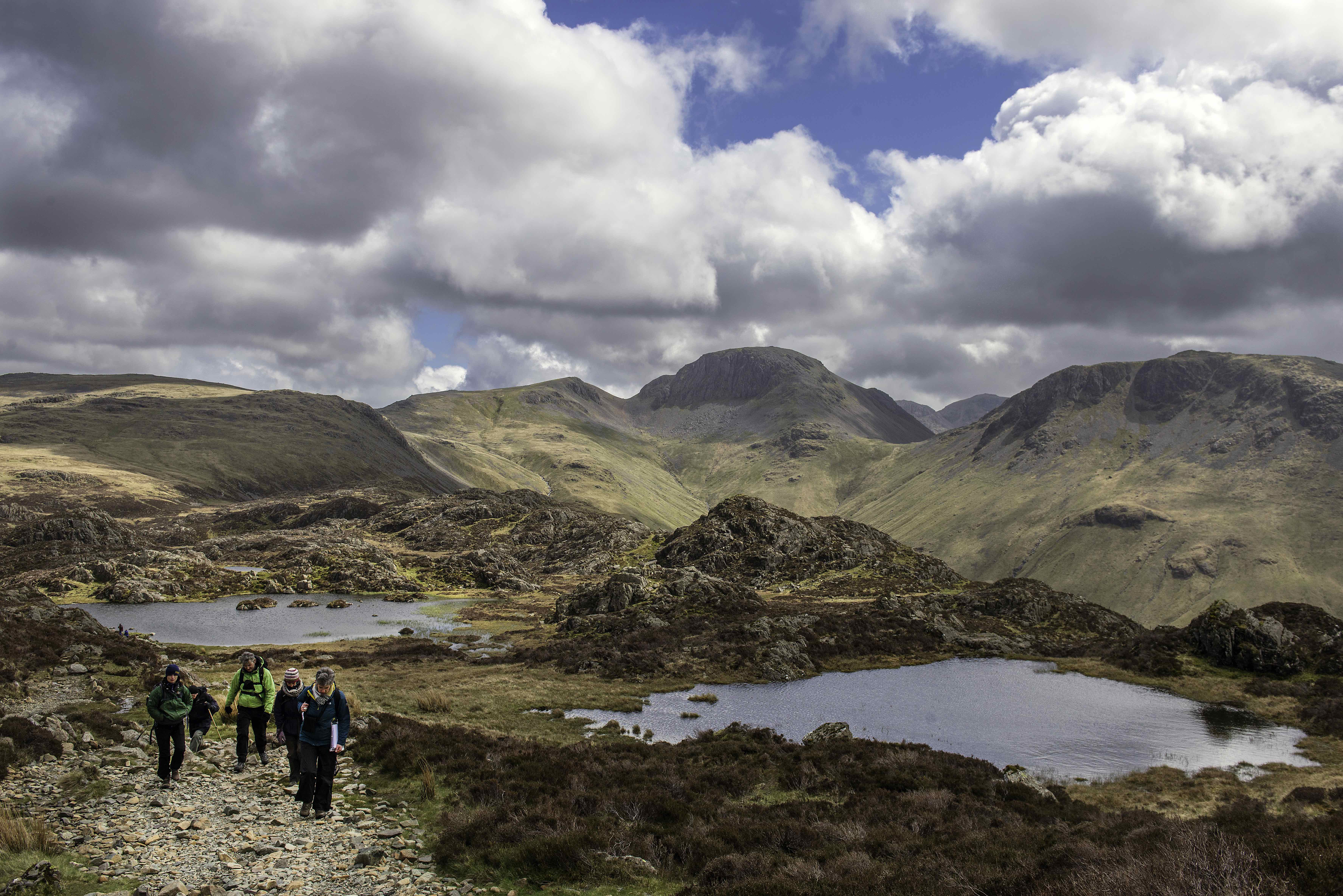
On the summit [...] which we gained after much toil... The stillness seemed to be not of this world. [...] the den of [the] dale at our feet – a gulf immeasurable ... and the Sea beyond... the air changed to cold, and we saw the tiny vapours swelled with mighty masses of cloud which came boiling over the mountains... huge blocks & stones which cover the summit... like Skeletons or bones of the earth not wanted at the creation, & there left to be covered with never-dying lichens, which the clouds and dews nourish; and adorn with clouds of vivid and exquisite beauty, and endless variety. No gems or flowers can surpass in colouring the beauty of some of these masses of stone...
Extraxt from Dorothy Wordsworth’s account of climbing Scafell Pike. De Sélincourt,1933.
On the summit [...] which we gained after much toil... The stillness seemed to be not of this world. [...] the den of [the] dale at our feet – a gulf immeasurable ... and the Sea beyond... the air changed to cold, and we saw the tiny vapours swelled with mighty masses of cloud which came boiling over the mountains... huge blocks & stones which cover the summit... like Skeletons or bones of the earth not wanted at the creation, & there left to be covered with never-dying lichens, which the clouds and dews nourish; and adorn with clouds of vivid and exquisite beauty, and endless variety. No gems or flowers can surpass in colouring the beauty of some of these masses of stone...
Extraxt from Dorothy Wordsworth’s account of climbing Scafell Pike. De Sélincourt,1933.
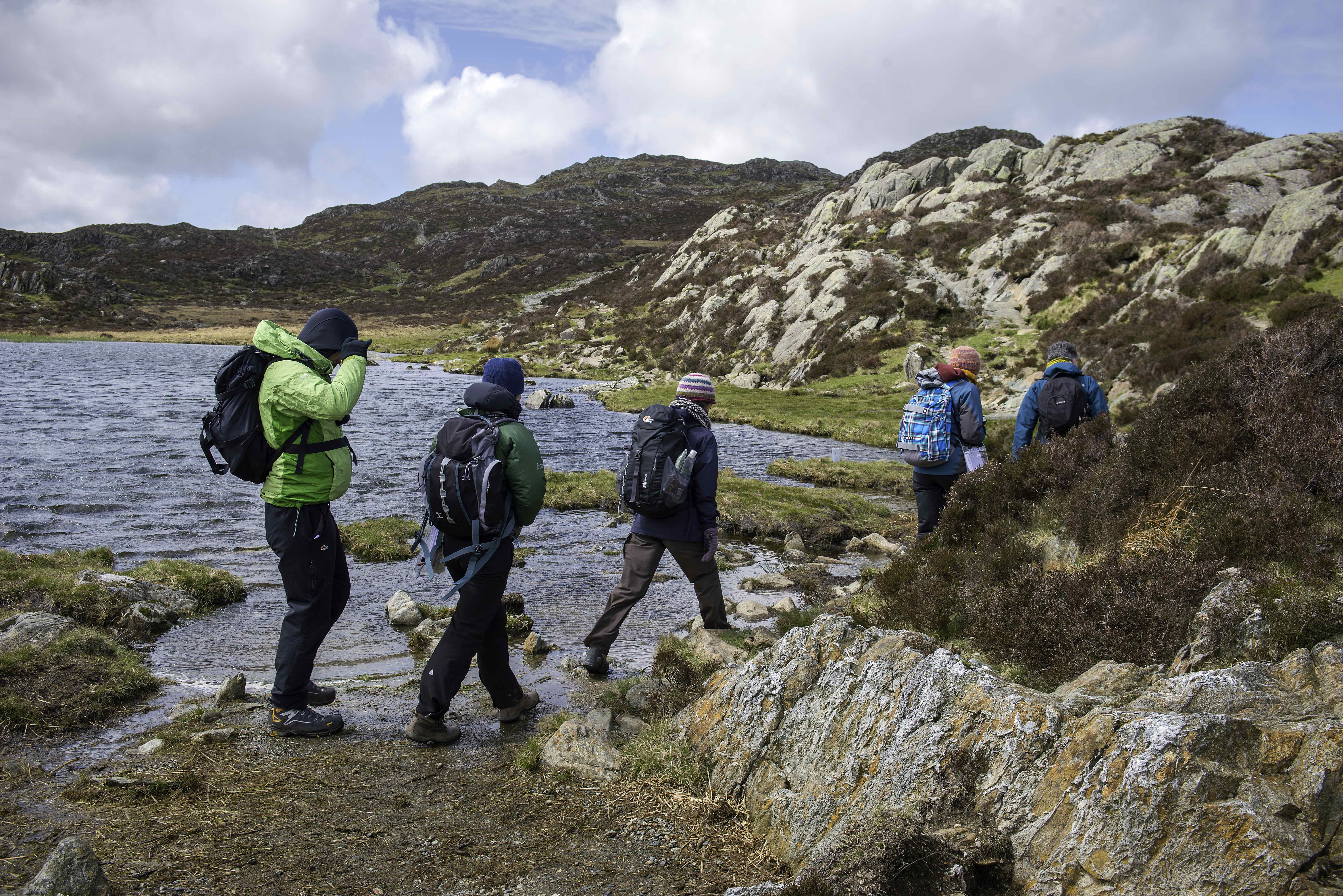
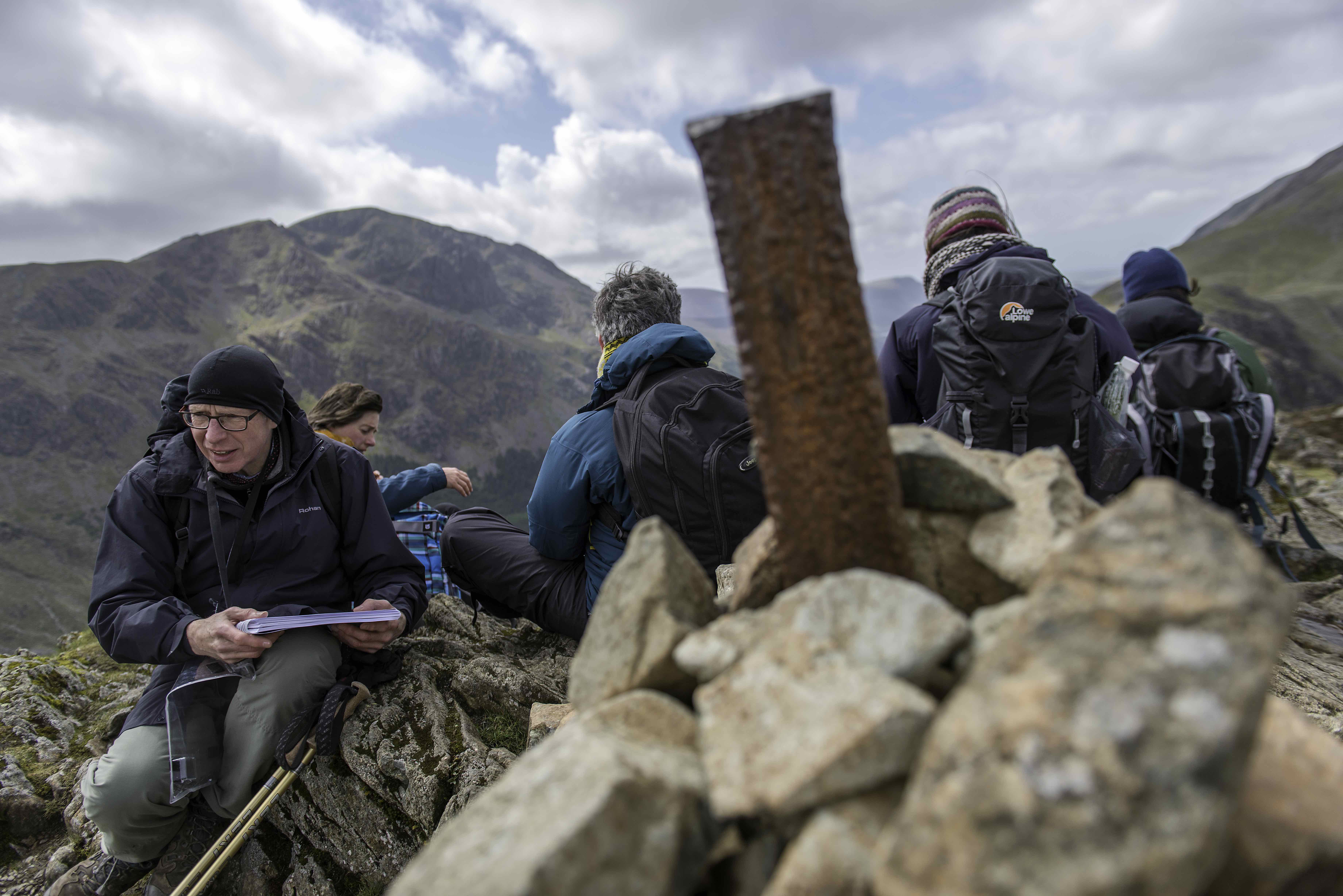
I told myself that I would make the experience valuable, by writing of it afterwards. If others have to go through this too and suffer, then I will too...and write of it.
Naomi Cumming, Grief Unconceived.
It made the cold abstract hard fact of not having biological children into something lived, real, a ritual almost that did have some spiritual significance for me which is hard to articulate (perhaps the connection with others, perhaps the being in nature). The walk showed me that I’m not alone, and it was good to be able to both literally and metaphorically ‘walk the same path’ alongside others. Also the walk opened up a space between myself and my husband – I was able to talk about the experience with him.
It doesn’t make the sadness go away, but it’s good to have marked the fact of my childlessness by doing something like this. There is a lack of public ritual to mark childlessness and this walk was a very practical, doable thing which helped to address that.
Mapping-Walk Participant.
I told myself that I would make the experience valuable, by writing of it afterwards. If others have to go through this too and suffer, then I will too...and write of it.
Naomi Cumming, Grief Unconceived.
It made the cold abstract hard fact of not having biological children into something lived, real, a ritual almost that did have some spiritual significance for me which is hard to articulate (perhaps the connection with others, perhaps the being in nature). The walk showed me that I’m not alone, and it was good to be able to both literally and metaphorically ‘walk the same path’ alongside others. Also the walk opened up a space between myself and my husband – I was able to talk about the experience with him.
It doesn’t make the sadness go away, but it’s good to have marked the fact of my childlessness by doing something like this. There is a lack of public ritual to mark childlessness and this walk was a very practical, doable thing which helped to address that.
Mapping-Walk Participant.
Launch walk & exhibition photographs by Lizzie Coombes.
Launch walk & exhibition photographs by Lizzie Coombes.
Publication
Warnscale: A Land Mark Walk Reflecting on In/Fertility and Childlessness was published in 2015 as an artist's book and walking guide, developed alongside the performance. Combining photography, drawing, mapping, archival material and reflective writing, the publication enables readers to experience the walk independently and extends the project beyond the original live event.
Further information about the publication, reader responses and limited copies available can be found in the Books section.
Warnscale: A Land Mark Walk Reflecting on In/Fertility and Childlessness was published in 2015 as an artist's book and walking guide, developed alongside the performance. Combining photography, drawing, mapping, archival material and reflective writing, the publication enables readers to experience the walk independently and extends the project beyond the original live event.
Further information about the publication, reader responses and limited copies available can be found in the Books section.
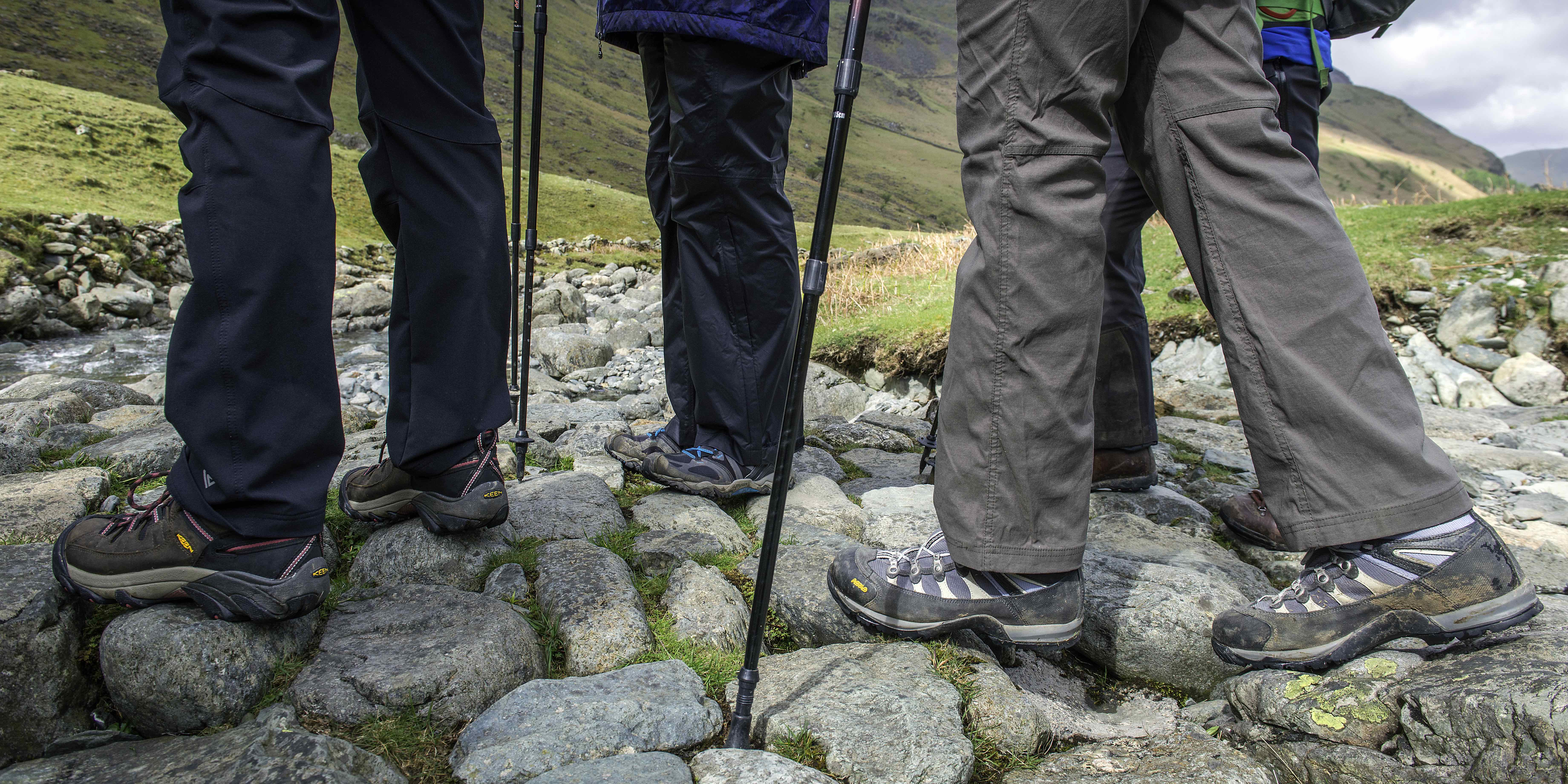
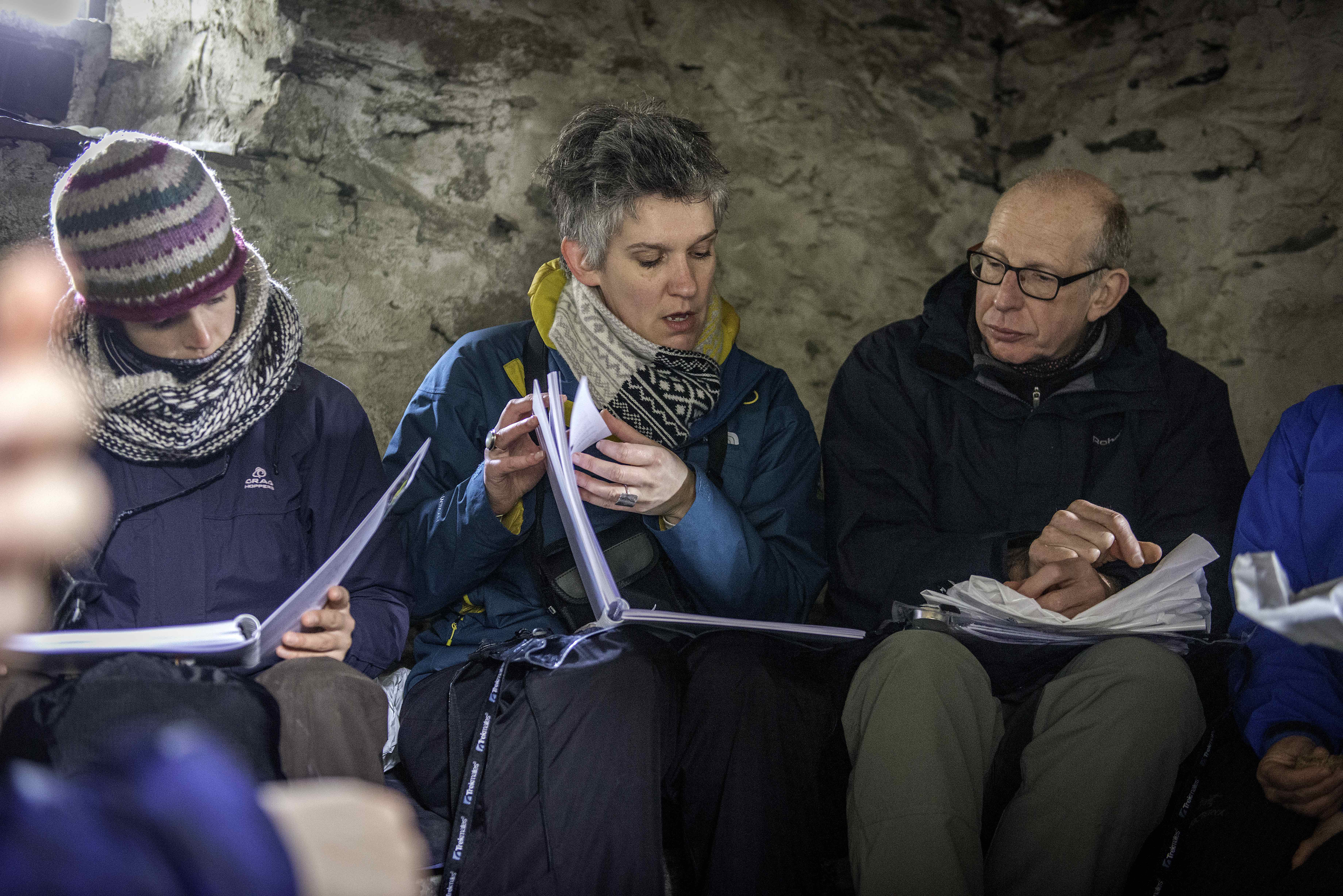
I was walking in Warnscale, a valley near Buttermere Lake and Gatesgarth, overshadowed by Fleetwith Pike and Haystacks. It was early one Sunday morning; I had with me Louise Ann Wilson’s book, a candle and a geologists’ loupe. There was no one else around – only sheep and birds for company. Louise’s narrative invites us to look and reflect. I sat and looked at the uncurling fern; studied the grains of wood on a footbridge, reflected on the water passing underneath (time passing, life passing). As the path crossed geological boundaries I thought of life’s transitions, and the burdens I carried.
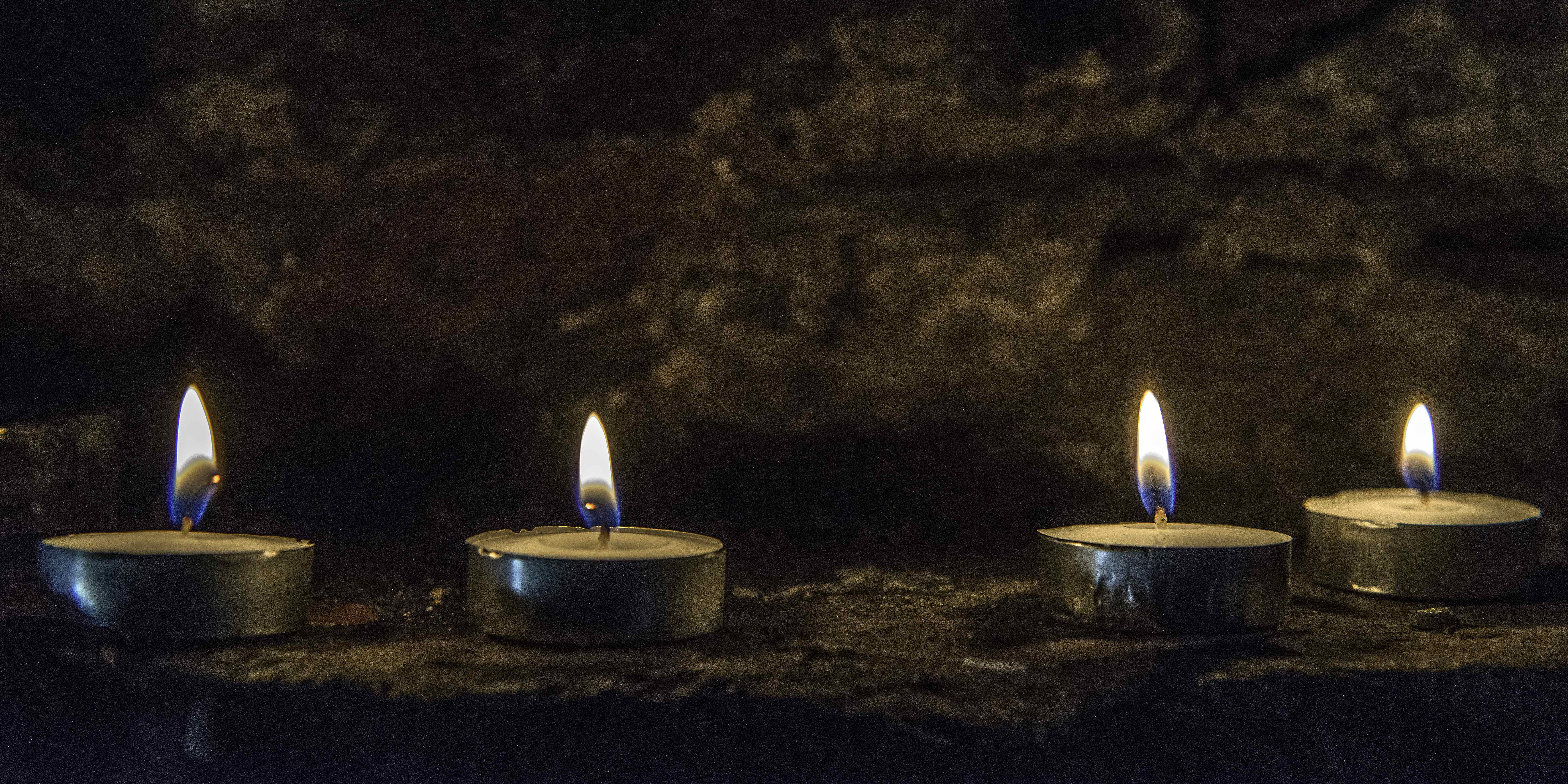
After some searching, a bothy – largely hidden, my time within it shared with an older man crunching crisps. I lit the candle and said thank you – I’m not sure who to, but I needed to say it. I said thank you for all that I have; some things sought, others simply blessings from good fortune and good luck. From there to Haystacks – dipping toes in tarns as I passed them. At one tarn I climbed a rocky eminence and saw it from a fresh perspective. The summit tarn had water in it – until I did this walk, it hadn’t occurred to me why this was not to be taken for granted.
All the while I was guided by the words of Dorothy Wordsworth and Louise Ann Wilson. Dorothy made me look at the landscape – the shapes, colours, sounds – how often she describes something so perfectly. Louise spoke to me in other ways – inviting me to stop, listen, feel, experience; encouraging me to consider the smallest details of life, from a perspective not simply my own. In these mountains we can find ‘the bliss of solitude’. There were other voices too: those of women ‘childless through circumstance’. Louise describes herself as such, and she accompanied others on this walk in the months before the publication of her book, capturing their thoughts and words. Their words are printed alongside Dorothy’s (she too, perhaps, childless through circumstance?), and these words affected me deeply. Grieving for an unborn child . . . ‘you’d make a good mum’ . . . arms for cradling a baby that wasn’t there. How could I, a father of three sons, possibly understand their feelings? Was it even right for me to intrude into this very private world? Their words were accompanied by statistics, science, treatments – and more stories of heartache. Sometimes science can’t solve our problems – there isn’t always an answer.
Thank you Dorothy, Louise and the many women who articulated their feelings. Your words opened my eyes and heart. Reading your words in the solitude of the mountains where you wrote or uttered them had a profound effect. I ended the day with tea and cake at the Peat house, Stonethwaite. The sun was set, the air warmed and the grass a vivid green – and I acknowledged the many good things in my life.
Jeff Cowton, Director of The Wordsworth Trust
I was walking in Warnscale, a valley near Buttermere Lake and Gatesgarth, overshadowed by Fleetwith Pike and Haystacks. It was early one Sunday morning; I had with me Louise Ann Wilson’s book, a candle and a geologists’ loupe. There was no one else around – only sheep and birds for company. Louise’s narrative invites us to look and reflect. I sat and looked at the uncurling fern; studied the grains of wood on a footbridge, reflected on the water passing underneath (time passing, life passing). As the path crossed geological boundaries I thought of life’s transitions, and the burdens I carried.
After some searching, a bothy – largely hidden, my time within it shared with an older man crunching crisps. I lit the candle and said thank you – I’m not sure who to, but I needed to say it. I said thank you for all that I have; some things sought, others simply blessings from good fortune and good luck. From there to Haystacks – dipping toes in tarns as I passed them. At one tarn I climbed a rocky eminence and saw it from a fresh perspective. The summit tarn had water in it – until I did this walk, it hadn’t occurred to me why this was not to be taken for granted.
All the while I was guided by the words of Dorothy Wordsworth and Louise Ann Wilson. Dorothy made me look at the landscape – the shapes, colours, sounds – how often she describes something so perfectly. Louise spoke to me in other ways – inviting me to stop, listen, feel, experience; encouraging me to consider the smallest details of life, from a perspective not simply my own. In these mountains we can find ‘the bliss of solitude’. There were other voices too: those of women ‘childless through circumstance’. Louise describes herself as such, and she accompanied others on this walk in the months before the publication of her book, capturing their thoughts and words. Their words are printed alongside Dorothy’s (she too, perhaps, childless through circumstance?), and these words affected me deeply. Grieving for an unborn child . . . ‘you’d make a good mum’ . . . arms for cradling a baby that wasn’t there. How could I, a father of three sons, possibly understand their feelings? Was it even right for me to intrude into this very private world? Their words were accompanied by statistics, science, treatments – and more stories of heartache. Sometimes science can’t solve our problems – there isn’t always an answer.
Thank you Dorothy, Louise and the many women who articulated their feelings. Your words opened my eyes and heart. Reading your words in the solitude of the mountains where you wrote or uttered them had a profound effect. I ended the day with tea and cake at the Peat house, Stonethwaite. The sun was set, the air warmed and the grass a vivid green – and I acknowledged the many good things in my life.